Patagonia

The Perfect Patagonian Fly Box

Liam Donohoe November 06, 2025

Packing for a Patagonia trout trip can make even the most seasoned angler start questioning their sanity. You lay out a few flies, then a few more, and before you know it, your “essentials” box weighs as much as your wading boots.

The truth is, across southern Chile and Argentina, it’s not about bringing “everything”, instead it’s about bringing the “right” things. Don’t overthink it, don’t overpack it, and definitely don’t pay extra baggage fees for it.

After a few guiding seasons down south, I learned one simple rule: simplicity catches more fish than overthinking ever will. A focused selection of versatile patterns will out fish a duffle bag full of “just in case” ideas every time. Patagonia trout are opportunists. They eat big, they eat often, and they don’t read the most recent fly catalogs.

A single medium fly box and a smaller one for nymphs and dries is all you need for a week chasing trout from Coyhaique’s valleys to the steppe rivers of Argentina.

Terrestrials & Attractors - Must-Haves

If Patagonia has a national pastime besides grilling meat, it’s trout crushing big foam bugs. Wind-swept grasslands and high riverbanks mean large terrestrials are on the menu all summer long. These patterns are easy to see, fun to fish, and occasionally make you question how anything can be so angry at a piece of foam.

Fat Albert: Black or tan, sizes 6-12. The cornerstone pattern of any Patagonia fly box: simple, visible, and a staple across the region.

Chernobyl Ant: Royal, peacock, pink, and purple in sizes 6-12. When in doubt, throw a Chernobyl. If it doesn’t work, throw it again.

Rance’s Gypsy King: Sizes 4 or 8. Designed for Patagonia and built for chaos. It can be twitched, skated, or drifted.

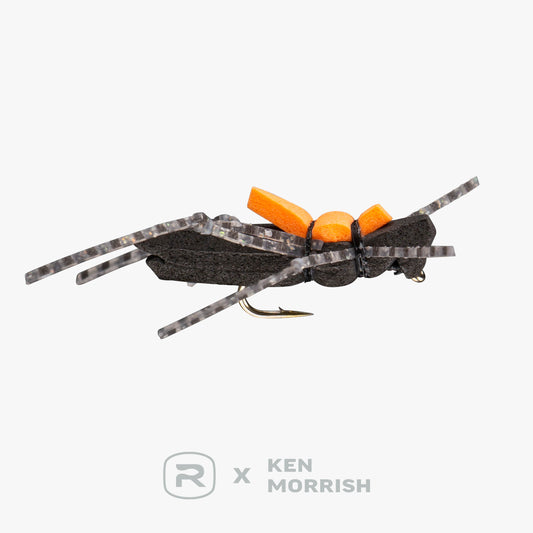
Morrish Hopper, Dave’s Hopper, Turk’s Tarantula: Sizes 6-10. Summer classics that bring fish up from the Rocky Mountains to the Patagonian steppe.

Beetles & Ants: Black or cinnamon, sizes 10-16. Wind-driven and deadly.

Cicada Patterns: Sizes 8-12 for warm, calm afternoons when the air buzzes and the trout look up.

Guide Tip: These flies don’t just work in summer. Patagonia’s fish will happily eat a hopper in November or a beetle in April. Don’t overthink the calendar, just keep a mix of sizes and colors in hand.

Traditional Dry Flies - Keep in Your Back Pocket

While the foam parade steals most of the attention, smaller dries still earn their keep. Patagonia’s trout might not be as snooty as their cousins in Montana, but they can get picky in low water or calm conditions.

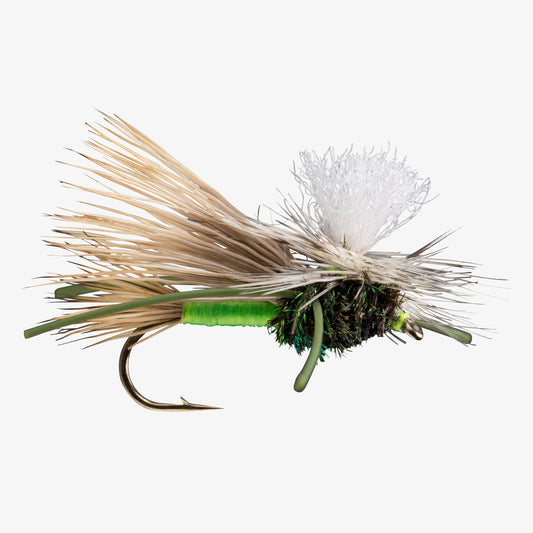
Stimulator: Sizes 10-14. Floats like a cork and doubles as a stonefly, caddis, or whatever you want it to be.

Parachute Adams & Royal Wulff: Sizes 12-16. Because there’s not a trout on earth that hasn’t fallen for one.

Elk Hair & Goddard Caddis: Sizes 12-16, tan or olive. Perfect when fish are sipping or you’re in the right moment to match the hatch.

Parachute Ant, Compara Dun, Quigley’s Cripple: Subtle but effective for clear water and picky eaters.

Pro Move: Don’t bring an entire caddis catalog. Two of each pattern in a few sizes is plenty. You’ll thank yourself when your bag clears airline weight limits.

Nymphs - Reliable Standbys

Patagonia’s trout may love eating on the surface, but when the weather turns or water rises, nymphs quietly save the day. Keep them simple, heavy enough to get down, and throw in a little variety with some flashy patterns.

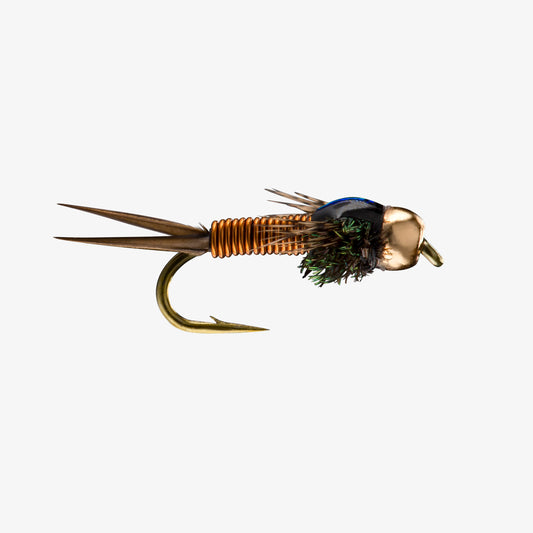
Beadhead Pheasant Tail, Hare’s Ear, Prince Nymph, Copper John: Sizes 12-16 in natural, green, red, copper, or black. 

Rubber Legs / Pat’s Stone / Bitch Creek: Sizes 4-8. Big, buggy, and basically a steak dinner for trout.

San Juan Worm: Red or wine, size 8. Works best after rain events or rising water when worms are naturally dislodged from river banks or lagunas. You don't have to tell your friends that you caught that brown on a San Juan. The point is you did, and it was glorious. 

Dragon & Damselfly Nymphs: Sizes 6-12. Essential around lakes and lagunas.

Streamers - The Heavy Hitters

Streamer fishing in Patagonia isn’t just a pastime; it’s a personality type. From Chile’s temperate jungle rivers to Argentina’s wide freestones, big trout crush streamers like it’s a sport. Think movement, flash, and attitude.

Woolly Bugger: Olive, brown and black, sizes 4-8 weighted and un-weighted. You could fish this and nothing else all week and still be fine.

Chile Bugger & Autumn Splendor: Sizes 6-8. Local favorites, equal parts flash and durability.

Fire Tiger Bugger / Sculp-Zilla: Sizes 6-8. Loud, proud, and perfect when visibility drops.

Clouser Minnow: White, olive or yellow, sizes 4-6. Great for deep pools or strong current seams.

Zonker, Home Invader, Dolly Llama: Sizes 2-6. The big-fish lineup. If you’re not snagging the bottom, you’re not deep enough.

Sparkle Minnow / Kreelex: Sizes 4-6. For bright days or heavily fished waters, a touch of flash can provoke reaction strikes. 

Guide Wisdom: Don’t worry about matching species. Patagonian trout have a PhD in “eat first, ask later.” Bring a few sizes and vary your retrieve.

Packing Strategy - Keep it Light and Intentional

  • 1 medium box - Terrestrials and streamers.
  • 1 small box - Nymphs and dries. Toss in a few packs of leaders, some tippet and a bottle of floatant and you’re well on your way to a complete outfit.
  • Leader - 9ft 2X - 4X
  • Tippet - 2X, 3X, 4X, 10lb Monofilament

Final Thoughts

That’s it. Anything more, and you’re just paying extra baggage fees to an airline for a fly shop in the sky. Don’t stress about bringing all of the patterns listed. Most lodges and guides provide flies, but bringing your favorites ensures confidence and confidence, more than any pattern, catches fish.

This list isn’t meant to be a rule book, just a proven guideline. If you have a favorite pattern or the local shop recommends a new hopper, bring it. Big foam bugs will do most of the heavy lifting, a few classic dries cover the rest, and a compact set of nymphs and streamers keeps you prepared for anything the river throws at you. 

Patagonian trout aren’t fussy but like trout everywhere, they care more about the presentation than the pedigree. So keep it light, keep it simple, and remember: the best fly is the one you didn’t accidentally drop in the wind.

Contact Liam Donohoe

Liam was born and raised on the trout rivers of Idaho, where a lifelong passion for the outdoors eventually led him into the world of professional guiding. Over the past decade, he has built a career guiding and managing lodges across some of the world’s most celebrated fisheries, from Alaska’s Bristol Bay to Chilean Patagonia and the Rocky Mountains in Idaho.

CONTACT US