













An outdoorsman, conservationist and photographer in Duluth, Hansi Johnson is the Director of Conservation Engagement with the Minnesota Land Trust and is a serving board member of the Sportsmen for the Boundary Waters. Hansi has a passion to both experience and protect Minnesota’s natural spaces. Hansi's work takes him by canoe, ski, bike and backpack to all parts of the state in every season. Above all, Hansi cherishes the Boundary Waters Canoe Area wilderness and uses his photography to tell the stories of why it is so important to protect this unique and mostly intact ecosystem. Below, we catch up with him on his work and play in the BWCA, and his obsession for chasing late-season northern pike. (All images below courtesy of Hansi Johnson)
Conservation
Fall Pike in the Boundary Waters with Hansi Johnson
Matt Otepka
November 06, 2025


Sportsmen for the Boundary Waters

Sportsmen for the Boundary Waters
Learn More-
Elite Predator Fly Line
Streamer / Big Fly
Regular price $129.99Regular price -
Big Nasty Leader
Streamers / Big Flies
Regular price $7.99Regular price -
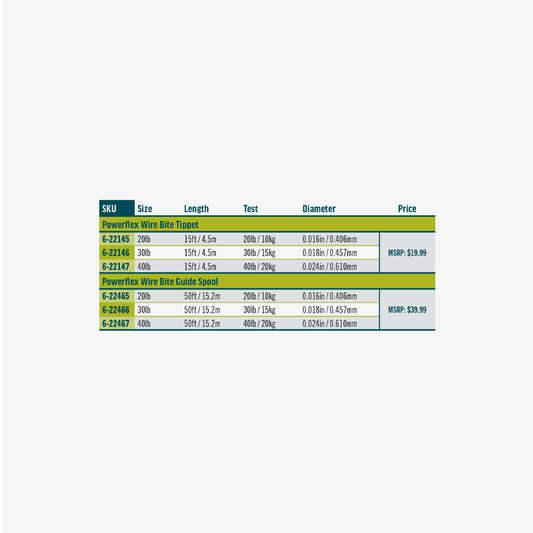
Powerflex Wire Bite Tippet
Maximum Bite Protection
Regular price $19.99 – $39.99Regular price -
Pike/Musky Leader
Pike & Musky Specific
Regular price $13.99Regular price -

 Regular price $750.00Regular price
 -

 Regular price $1,100.00Regular price
 -

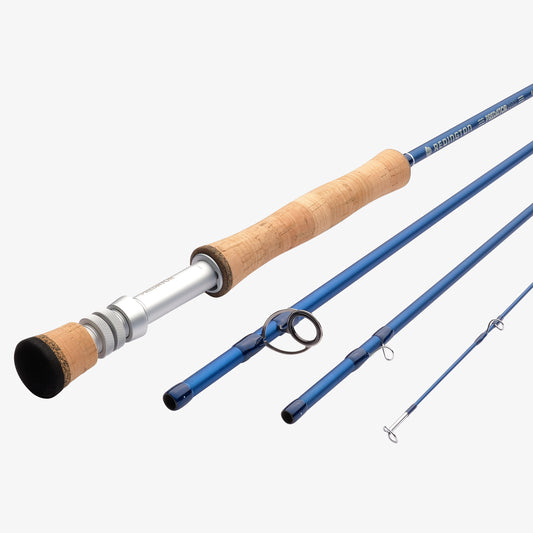
Predator Salt 990-4
Flats / Bonefish / Redfish / Permit
Regular price $399.99Regular price