





Tips & Tricks

RIO Fly Recommendations | October Caddis with RIO Fly Designer Patrick Kilby

Patrick Kilby September 22, 2025

The October Caddisfly: I love this bug and I’m not alone. For anglers west of the Continental Divide all the way to Northern California and up into BC, they signify some of the last epic big dry fly sessions of the calendar year. With its burnt-orange body and fluttering presence on autumn rivers, these are the jack o’lanterns of nature lighting up many of my favorite streams in the PNW. The grins they elicit from trout and anglers alike are as big as the ones you see carved into the pumpkins that will soon adorn many of our doorsteps.

Below, I share some of my favorite October Caddis patterns, from the winged adults that we’re currently imitating to the subsurface stages that are present during much of the year. Remember, most of a trout’s diet is below the surface, so while the most exciting eats are big topwater slurps and slams, don’t sleep on pupal stage flies during the fall—after all, they have to make it to the surface, somehow!

Finally, to purchase any of the flies mentioned below, click on any of the embedded images to navigate to their product page, shop via the carousel at the bottom of this post, or stop by your local RIO Flies dealer.

Subsurface October Caddis: Larva and Pupa Stage Patterns

The October Caddis is the largest of the caddis species (.75” to 1.25” long) with a thick body. The larvae are active year-round, except for just before the hatch when adults begin to emerge in late summer and into the best months of September and October.

I will actually start fishing nymph versions of this bug in February with good success. Usually during this time the water is high and off-color, so I tend fish in close, euro nymph style with RIO’s Spice Larva. The larvae are active and growing so they will be on the move looking for food and adding to their cases. The October Caddis cases are formed from silk and pebbles rather than grass and sticks, and while I am not sure why, growing up we referred to them as periwinkles.

(Below L to R: RIO's Spice Larva TB, RIO's Caddy Shack and RIO's Morrish Deep October Pupa)

When the time comes, the larva starts the transition into an adult by sealing off its cocoon and beginning its metamorphosis. When it’s ready, the newly formed pupa will release itself from the tube and swim with two big fuzzy legs much like a water boatman. The pupa will find a suitable rock or log to crawl onto and latch on and the pupation will finish. Next, the adult will emerge and take to the air leaving behind its former self stuck to the rock or log.

Before I allow the fall dry fly fever to take over and move onto throwing big October Caddis dries, I know the pupal biomass within the water column is at its thickest and should not be passed up. To take advantage of that, I swing a large buggy beadhead caddis pupa on a floating line to mimic its final approach to the surface. Even though the pupa’s journey upward from the depths often happens at night, the trout don’t seem to mind and will eat them throughout the day. This is when I like flies like RIO’s Caddy Shack and RIO’s Morrish Deep October Pupa.

Topwater October Caddis: Winged Adult Stage Patterns

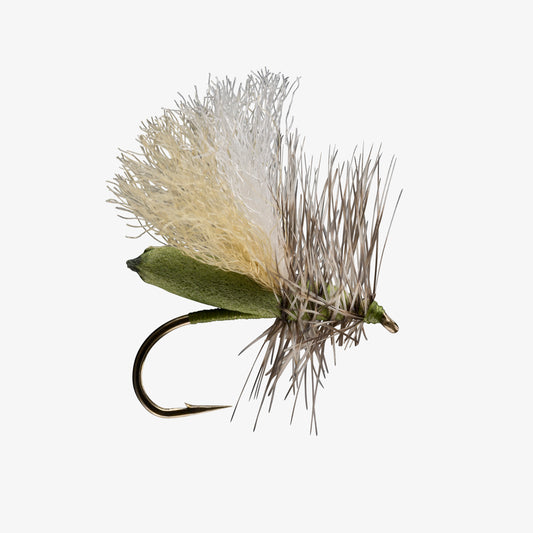
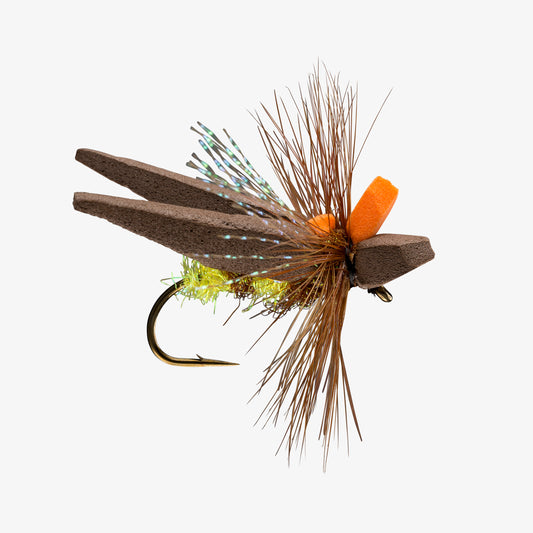
When the elements and evidence tell me it’s time to move to throwing dries, much like other caddisflies, I find fishing adult October Caddis dry patterns are best in the early mornings or in the evenings. Dead drifting can work, but skittering and skating them across the surface will usually get more attention. Flies like RIO’s Foam Run Caddis or RIO’s Morrish Oct Caddis Adult work great!

(Below L to R: RIO's Foam Run, RIO's Morrish Oct Caddis, RIO's Steel Plow)

Another reason I love this bug is because it’s not just for trout, steelhead will eat it too. One of the most exciting ways to shake hands with fall chrome is by skating a pale orange October Caddis pattern. Flies like RIO’s Steel Plow are great for this technique.

In fact, stop what you’re doing and drive yourself to the fabled North Umpqua River. Park just upstream of the Wright Creek Bridge and walk to the tail out where the Dan Callahan memorial plaque is. Be the first angler there in the morning in the fall, be quiet, make good casts and skate your October Caddis pattern in that tail out…go further into the tail out than you may think you need to also. You’re welcome! Oh, and leave a fly on the memorial plaque in Dan’s honor.