Redington: You've been with the Redington Squad for a few years and had a starring role when we launched the EDC rod last year. For those who haven't watched your Everyday Carry profile video (embedded below), tell folks who you are and where and when you guide.
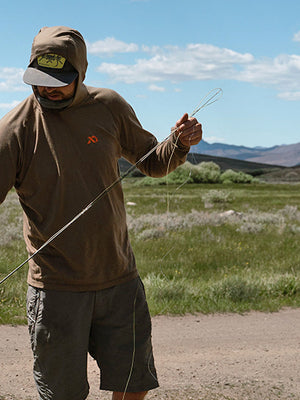
Tom: My guide service is Rippen Lips Flyfishing, which is sort of a play on words with my last name and a nickname I’ve gotten over the years—“Rippen Lippen.” It kind of just stuck, and I wanted something unique that would be easy to remember. I guide year-round in the Mammoth Lakes area in the Eastern Sierra mountains of California. I primarily “walk and wade” most of the local waters, including the Owens River, East Walker River, and McGee Creek, and I also run stillwater trips on Crowley Lake from my bay boat, just to name a few.
Redington: Sounds like the length of your guide season can span some serious changes in weather and conditions.
Tom: Guiding year-round in the high desert mountains can vary drastically depending on the time of year—both in terms of weather and the fish we see and target. For example, in the fall and winter, we see a lot of big, hard-pulling lake-run fish in the Upper Owens eating nymphs and streamers, along with smaller resident fish taking dries or nymphs in pocket water on the Lower Owens. In the spring, we’re often nymphing faster runoff water on the Walker River, and in the summer, it’s all about stillwater tactics on Crowley Lake. We really get to experience a bit of everything.
Redington: Based on that, how do you load out during different times of the year to be sure that you've got your clients ready for anything?
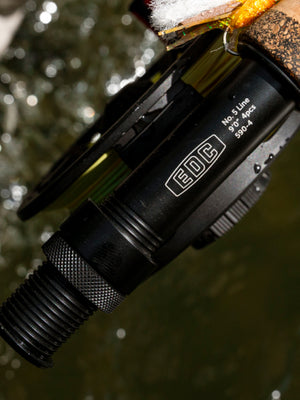
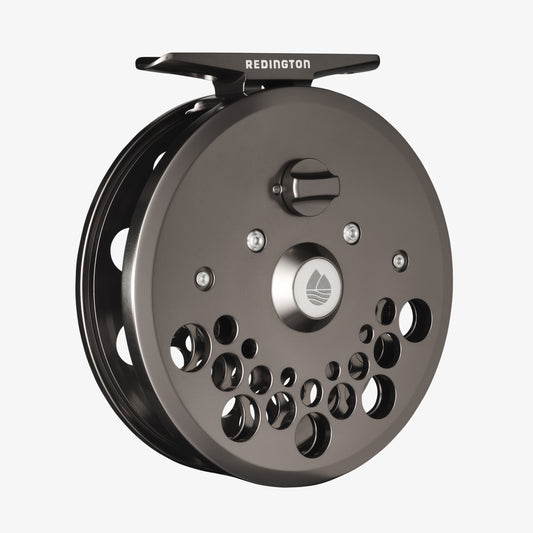
Tom: If I’m guiding on the Upper Owens in the fall and winter, I’ll usually have a few rods rigged and ready each day. That includes an EDC/ACE 10' 5-weight combo, typically paired with a RIO Elite Gold XP line, or a VICE/ACE 9' 6-weight for throwing streamers. I’ll also bring a 10'6" 4-weight STRIKE/TILT combo paired with the RIO Technical Euro Nymph line for tight-lining faster seams for those larger fish.
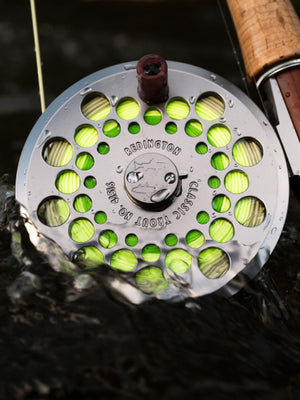
On the Lower Owens, where we’re typically targeting smaller resident fish, I’ll carry a 10' 4-weight EDC/ACE for indicator fishing, a 3-weight STRIKE/TILT, and a 9' 4-weight Classic Trout rod and reel setup for throwing dries if we run into a midday hatch and fish are looking up. In the summer, when I’m on the boat, I like having those longer 10-foot rods for picking up long leaders when we’re stillwater nymphing with indicators.