Winter Considerations
Anglers can successfully target steelhead with streamers any time they're in the rivers, but our fish are generally more willing to chase and eat flies during periods of relative warmth. I feel most confident when water temperatures exceed 42 degrees, but relative temperature is often just as important to consider. Generally speaking, our fish are cooperative in stable (even cold) temperatures and when water is warming. Indeed, rapid increases or drops of even just a few degrees can induce voracious feeding or lockjaw, respectively, regardless of the absolute temperature. Exploiting favorable upticks in temperature is an angler’s best weapon in the winter months. Fishing around mid-day and in the afternoon when daily temperatures peak is a great way to even the odds, as are days of high sun and unseasonably warm air temperatures.
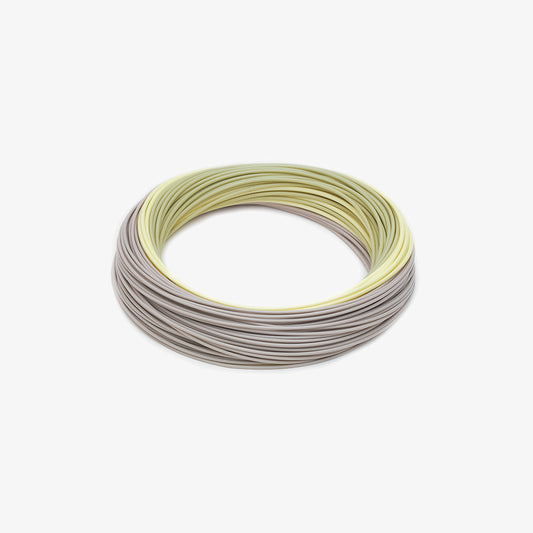
Cold fish don’t want to exert a great deal of effort to strike flies, so anglers should target very specific water and strive to keep offerings in the zone for as long as possible. Flies stripped methodically through the bellies of slow, deep runs and in slack water adjacent to current seams stand a great chance of being eaten. This is best done with intermediate heads and weightless (or very lightly weighted) flies to facilitate slower retrieves through areas with little or no current without snagging bottom. The RIO OUTBOUND SHORT line in a floating/hover/intermediate configuration is an ideal choice for this style of fishing.
In areas of current, it's wise to implement a pseudo swing / strip presentation, letting the water carry flies through the zone with intermittent ticks and short strips. When the fly reaches the hang down, a big mend toward the near bank can facilitate a slow, stripped retrieve back to the angler through high-percentage slack water, effectively covering the run and the abutting margin with a single cast. Any deeper margins directly adjacent to current present prime targets, having produced a prodigious number of winter streamer eaters for me over the years.
Gearing Up
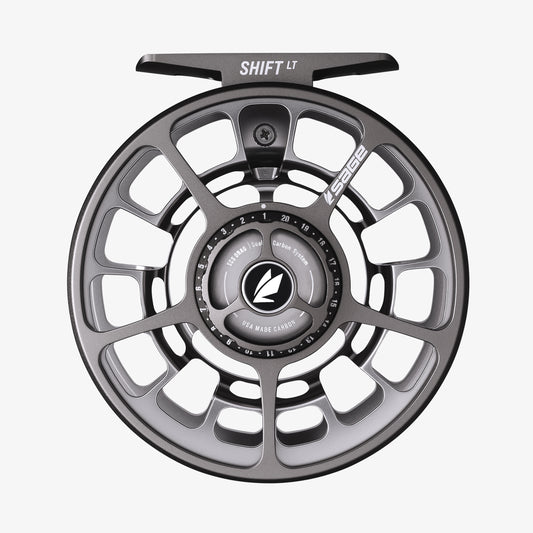
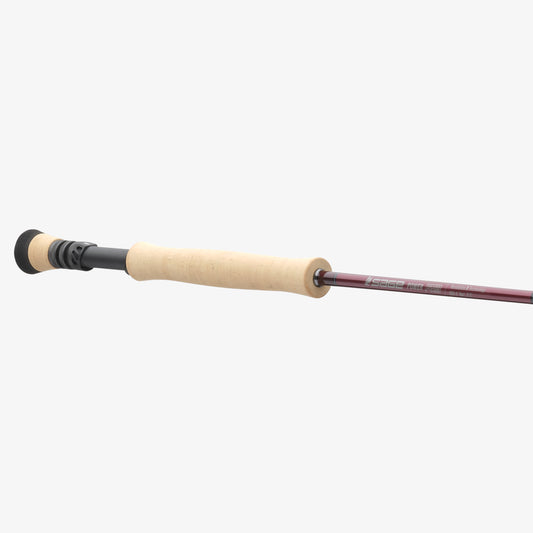
Rigging up for streamer fishing is refreshingly simple. Nine-foot, 7 & 8wt single-hand rods are ideal. The SAGE R8 CORE 890-4 is wonderfully suited to Great Lakes Steelhead fishing, supplying plenty of power for driving large flies long distances, and progressive flex to keep hooks lodged while fish dart in and out of current. The steelhead is one of the few freshwater species that can expose your backing, so quality reels with smooth, sealed drags are important.
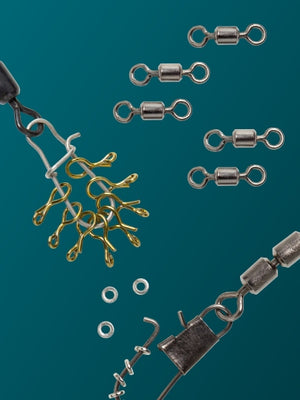
Fly lines, as in all styles of fishing, are some of the most important tools for success. Floating, intermediate, and slow-sinking lines are ideal for presenting flies in the smaller, relatively shallow streams of Steelhead Alley. Other beneficial line characteristics I look for include overweighted and relatively short heads with compact front tapers to quickly load rods, minimize false casts, and turn flies over in wind, rain, and snow. As for leaders, eight-foot lengths of 12- to 20-pound fluorocarbon usually work well, and stepping down to 10-pound line can help in low, clear water. Adding an Ahrex Fastach clip to the end of the leader promotes quick and effortless fly swaps without cutting line and retying knots. These replace loop knots and have become the norm for me in all streamer pursuits.