




Spey

Spey Season Checklist with Gray Struznik

Gray Struznik, Guide and RIO/Sage Ambassador January 09, 2026

Another winter steelhead season is here, so before hen and buck fever cloud your judgement and send you to the river with all the stoke, but half the kit and even less of a plan, gather your gear and your wits and take stock. Winter steelheading is not a forgiving enterprise—it’s not pitching bass poppers in 70 degrees and sun with a full cooler beside you. Steelheading means armoring up against the elements and the odds. It requires you to ask as much from yourself as you do from your gear. It’s about preparation and endurance. But all of that is worth it when balanced against the chance of connecting—even temporarily—with big chrome from the sea.

Now is the time to break out the basic Spey checklist and make sure we have all of the tools we need to have a fruitful winter. While this list is certainly not exhaustive, here’s what I see as the most important and overlooked elements you need to dial-in for winter steelhead success:

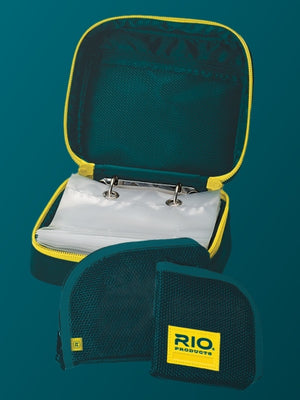
1. TIPS: Clean and arrange your sink tip wallet and make sure the looped ends are still in decent shape. Do the same with your Spey head loops as well. Next, make sure you haven’t lost or misplaced a sink tip. You may have already done your loop check, but a missing tip is a painful realization on the river. I mean god only knows where all those MOW tips walk off to? If you are lucky enough to own a 7.5ft-2.5ft RIO iMOW I promise it won’t stick around long—you’d have better luck keeping a pocket full of moths than one of those sink tips.

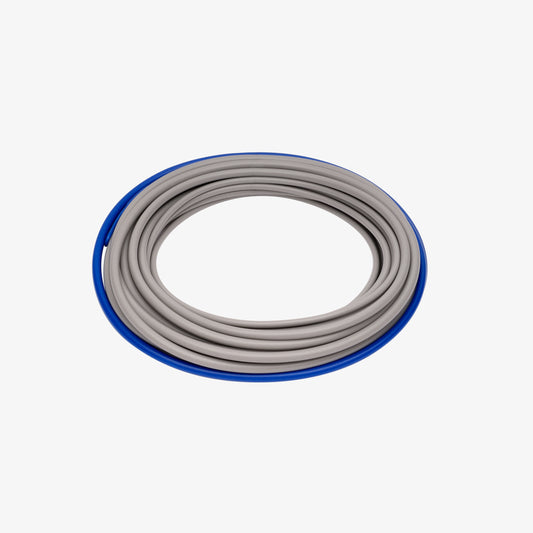
2. RUNNING LINE: Turn your SlickShooter/running line around on your reel so the new end is usable or replace it. If you aren’t replacing it and you run a mono shooting line, at least tie a new knot behind your Skagit head.

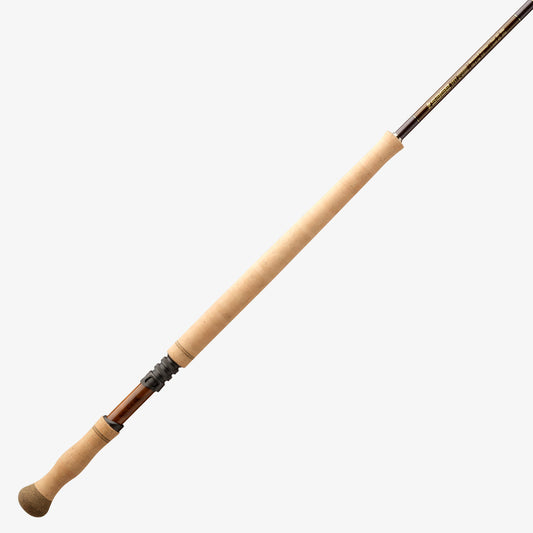
3. ROD: Clean your ferrules (the male side) and reapply paraffin wax to the top 2” of the section. It just takes a few minutes, but it will keep your rod sections from migrating and your favorite stick out of the warranty department. Spey fishing is all about reps—you're making thousands of casts in a season, and while the art is about leverage and timing and not necessarily raw power, you're still imparting a lot of repetitive torque onto the rod through the winter. Taking care of the ferrules (and occasionally checking your connections throughout the day), not only protects your investment, but maximizes its performance.

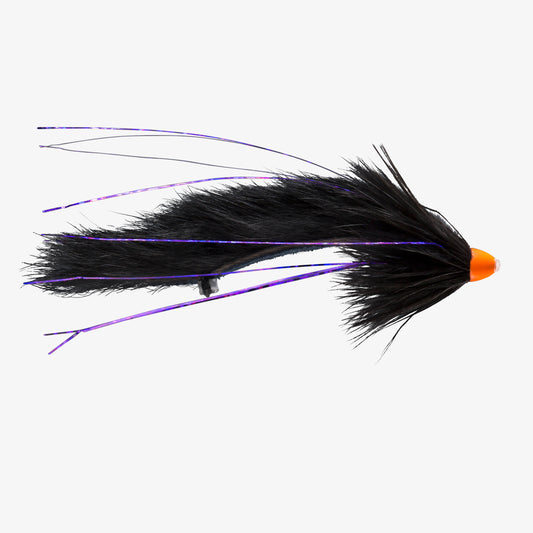
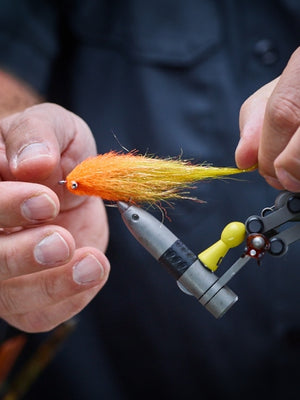
4. FLIES: Check your fly assortment and have backups. We’ve all got our favorites swing patterns, but there are a few from RIO that are in my box all season and should be in yours if you’re two-handing on the OP. Number one is the tried and true Marabou Tube which may not be a revelation to even novice steelheaders, but if it ain’t broke, don’t fix it. Any color combo works and in really dirty water you can double stack them for a larger profile. Only thing is, it’s a lot more painful when you snag bottom and realize you just lost two flies not one.

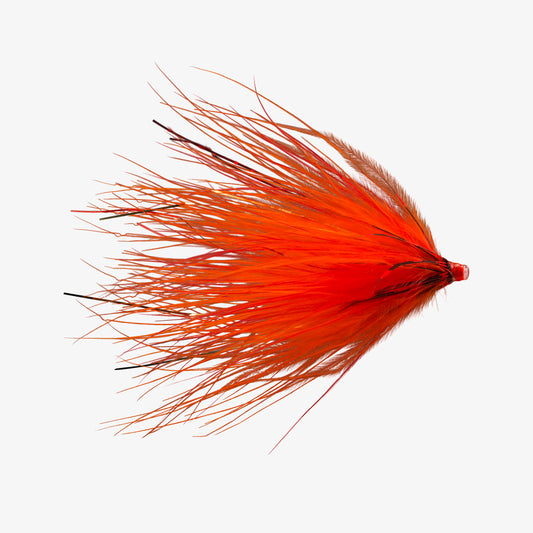
My second choice would have to be the Tandem Tube from RIO in red and orange. The cone head is pretty light on this fly so I’d bring a little weight if you plan on fishing this guy deep. This is a fly I like to fish in higher water because it is very buoyant and has a big profile. Profile of what? You guessed it, marabou and rabbit! Not to give you a history lesson or anything, but marabou and rabbit strips have been used in fly recipes for a combined 100 years. Plain and simple, the stuff just works.

Final fly note: don't forget to check your hooks. They sharp? The stinger tethers still intact? How about the patterns themselves? Will they hold up for the season? Do you you have backups and alternate sizes and colors for different water conditions?

STORY TIME: I had a client last year on the Hoh fishing almost blown-out conditions with the previously mentioned RIO Tandem Tube in orange and red. We were fishing a shallow riffle that slid into a ditch maybe 2’ deep. I gave the fella my suggestion on how to approach this piece of water and he kept saying, “I’m getting bit” on just about every cast. Being a realist, I told him it was just his fly tapping bottom before it dropped into the ditch. Boy was I wrong. I think that fish hit that fly a total of seven times before we got him on the second pass through the 20-yard piece of water.

The fish calculator put that fish at 22 pounds…alright boys, reel them up we're headed home!

As Spey fisherman the odds are already stacked against us and we can only control so much. That’s what this list is for—controlling what we can. A fresh leader, sharp hook, warm gear and a good, prepared mindset will help you grind through. Covering these bases can not only help make or break a day, but your entire season. Pay heed and good luck out there. -GS