




Sage SPEY R8 7126-4 —
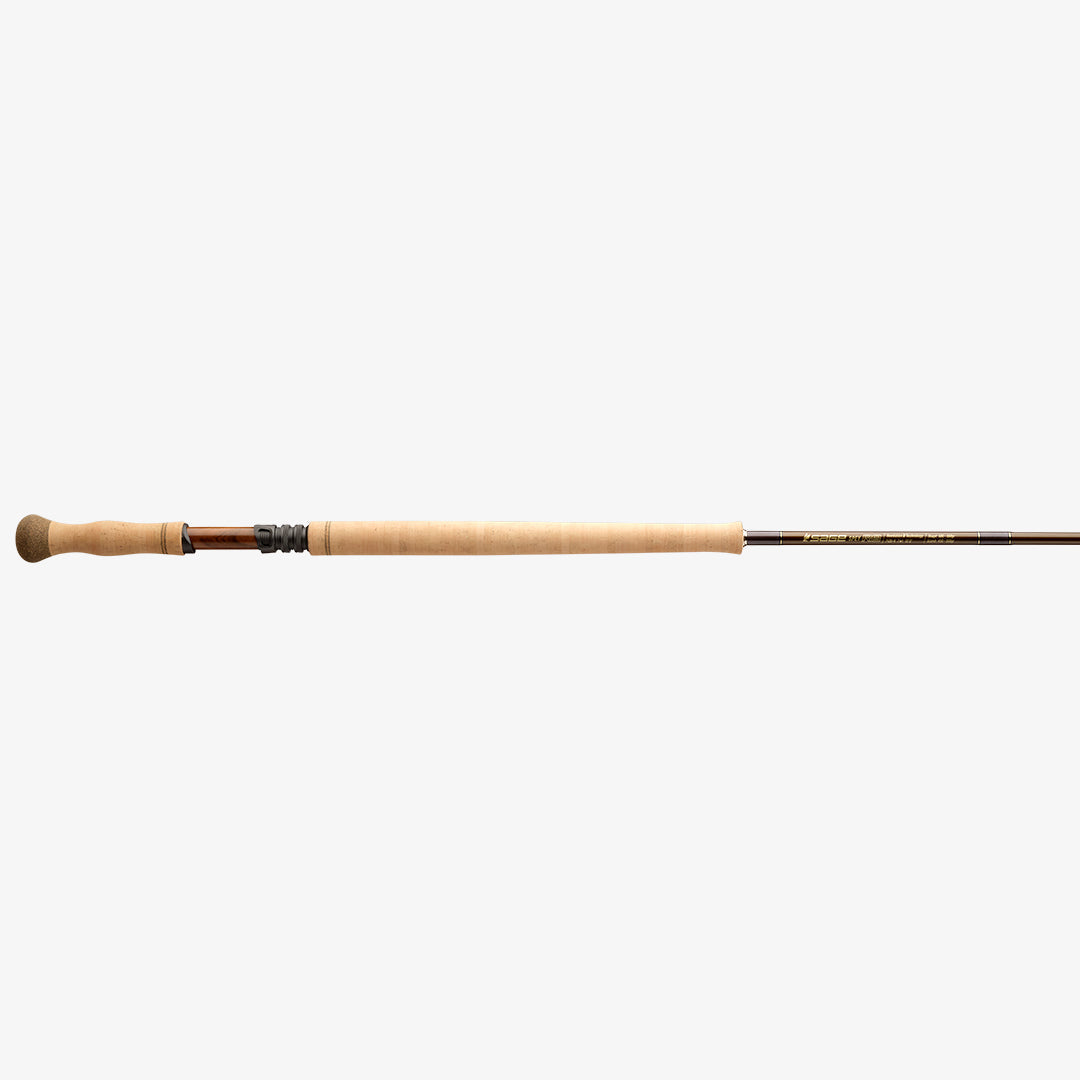
"Sage SPEY R8 7126-4 — First Impressions I recently picked up the Sage SPEY R8 7126-4, and although I haven't had the chance to fish it yet, I wanted to share some first impressions. The real test will come later this fall, when I take it to the Squamish main stem and the Chilliwack River. I don't expect that to happen before November, so for now this is definitely a first-impressions review rather than a full fishing review. The first thing I noticed when I picked up the rod was how light it feels. Coming from a Winston Air2 TH 5123-4, the Sage immediately feels very light and easy to handle. I also noticed how surprisingly small the rod tube is compared with my Winston. That may sound like a minor detail, but when you travel with Spey rods and gear, I really appreciate it. I haven't had a chance to say much about the casting yet, simply because I don't want to pretend I've learned something about the rod that I haven't actually experienced. I think a good review should be honest about that. I'll have a much better idea once I get it on the water and start working with different heads and tips. For now, my setup is pretty straightforward. I'm using the Elite Integrated Skagit Max Power 7wt in Float, with the Salmon/Blue/Light Gray color combination. For sink tips I have Airflo 10-foot 10 ips and 12-foot 10 ips tips, and I've also ordered the Scientific Anglers 150-grain tip kit, all in 10-foot lengths. For leaders, I'll be using either straight monofilament or some of the 4-foot tapered RIO Skagit leaders I already have. Of course, while waiting for the fishing season, I've been doing what I probably shouldn't be doing — tying flies like crazy. I'm concentrating on smaller tube flies for the coastal rivers, using Fulling Mill rabbit strips and their marabou. I also really enjoy working with Textreme Italy materials and Just Add H2O brushes. I'm looking forward to seeing how these smaller tubes fish with the Sage once I finally get it on the water. As for the length, I have a very good feeling about the 12'6". For our BC coastal rivers, I think this could be an excellent length. It should give me enough reach for line control and mending without becoming excessive for the relatively smaller steelhead we're dealing with compared with the fish and rivers farther north in the Skeena system. I've previously fished the Winston Air2 7129-4, although I no longer own that rod. My impression is that the Winston was heavier than this Sage. The Sage feels noticeably more refined in my hands, at least from this initial impression. But honestly, the thing that surprised me most has nothing to do with performance. This rod is beautiful. I know that probably isn't very important when you're standing in a river trying to catch a steelhead, but I have to admit that I could just sit there and look at this rod. Every single detail is superb. The finish, the components, the overall appearance — it all feels very carefully done. Maybe that's a little crazy for a fishing rod, but I really like it. And I have a feeling this is going to be a rod that stays with me for a long time. But let's see. I still need to fish it. I don't want to repeat things that have already been said by John Hazlett or simply borrow somebody else's experience. There are plenty of excellent videos and reviews of the SPEY R8, but eventually I want to form my own opinion based on fishing it in the rivers I actually fish. So, for now, this is just the beginning. The real review starts in November. That's when the Sage SPEY R8 7126-4 will get its first real test on the Squamish and Chilliwack. After I've spent some time with it on the water, I'll come back and talk about casting, line choice, tip selection, fly size, swing control, and, most importantly, how it actually performs when there's a steelhead on the other end."
