Welcome to your Fly Water Travel trip guide. We’re excited to help you prepare for your upcoming adventure! Inside, you’ll find everything you need: your to-do list, travel logistics, destination notes, and a curated tackle guide tailored to your trip.
Getting Ready
We’ve created a quick checklist of essential tasks to make sure you’re fully prepared for the journey ahead. If questions come up or you need anything at all, just give us a call, we’re here to help every step of the way.
To-Do List:
✓ Arrange flights to/from Santa Cruz, Bolivia (VVI)
✓ Procure Yellow Fever vaccination
✓ Provide Fly Water Travel with a copy of the passport photo page
✓ Complete personal online guest registration form
✓ Get travel cash
From how to get there and what documents you’ll need to tipping guidelines and destination details, this section covers the practical information to ensure smooth travels.
Getting to the Lodge:
To reach Tsimane's Heli program at Pluma Lodge, guests must arrange travel to Viru Viru International Airport (VVI) located in Santa Cruz, Bolivia. Once guests arrive in Bolivia, all transfers, along with the first and last night overnights in Santa Cruz, are handled by the outfitter and included in the package.
Arrival Days:
There are technically two days that can be considered as arrival days. Below we have outlined both of these days.
- Santa Cruz Arrival: Guests need to arrive in Santa Cruz the day before their scheduled arrival at the lodge. When guests arrive in Santa Cruz and have cleared customs, a member of the Tsimane team will be waiting to transport them to the Los Tajibos Hotel in Santa Cruz for an overnight. When guests are dropped off at the hotel, they will be advised of their morning pickup time on the day they are scheduled to fly into the lodge.
- Pluma Lodge Arrival: On the morning of the scheduled arrival at the lodge, guests are picked up by a member of the Tsimane team and transferred to the local airstrip for the 1 ½ hour flight to the Oromomo village airstrip. From there, guests are then transferred by boat upriver to Pluma Lodge.
Departure Day:
After breakfast, you will be transferred by boat back to the Oromomo village airstrip for your charter flight to Santa Cruz (included in package).
Guests can depart Santa Cruz at any time on the day following their scheduled departure from the lodge. After returning from the lodge, guests will spend one overnight in Santa Cruz, which is also included in the package.
Alternatively, there are a few flights that leave the same day as the lodge departure day. Some guests choose to shower up at the hotel and relax before catching their redeye flights out of VVI.
Recommended Travel Agent:
The airline carriers that service Bolivia are notorious for changing flights, so to make things easier on our guests, we highly recommend using a travel agent when booking domestic flights to/from Bolivia.
Alicia Regueiro, Holdy Tours
800-446-1111 or 925-927-6617
alicia@holdytours.com
Santa Cruz Restaurants:
Botanica (Latin)
Chalet la Suisse (European)
El Arriero (Argentine grill)
Tapekua Le Mayen (European)
Sir Pieper Resto – Bar (Brewery and Restaurant)
Documentation Requirements:
To enter Bolivia, all guests are required to have the following:
- Passport: Valid for the duration of the trip, plus 6 months' validity past the trip date
- Yellow Fever Vaccination Card: Yellow Fever vaccination and vaccination record
Currency:
The official currency in Bolivia is the Bolivian Boliviano (BOB), but US dollars (USD) may be used freely for any purchases made at the lodge.
Travel Cash:
We recommend each guest travel with $2,000 (USD) per week of travel for staff & guide gratuities, flies, etc.
Gratuities:
The following are guidelines, and all gratuities are up to the discretion of the individual guest. Gratuities can be given directly to the lodge manager(s) at the end of the fishing week for distribution to guides and lodge staff.
- $1,400 (USD) per person per week
Fishing Licenses:
Included in package
Electrical Requirements:
A Type C (European) adapter is needed in Bolivia
Power:
The lodge runs off a generator (supplying 220V, 50 cycles), which is turned on in the morning before fishing, and back on in the evening from 6:00 PM until bedtime. There is reliable electric power and back-up battery lighting during these hours.
Cell Coverage and Wi-Fi:
- Cell Coverage: There is no cell coverage while at the lodge
- Wi-Fi: Available while the generator is running
Laundry:
Laundry service is available at the lodge, free of charge. Guests can place clothes that they would like washed in the laundry baskets in their room. They will be picked up, cleaned, folded and returned to guests in 1 to 1 ½ days.
Water:
Bottled water is available throughout the lodge. The water at the lodge is spring-fed, filtered and OK to drink, but we recommend staying with bottled water.
Beverages/Alcohol:
- Beer, Wine and Alcohol: Included
- Soft Drinks/Sodas: Included
Guests are also welcome to bring along any alcohol that they prefer.
Climate:
Pluma Lodge is located in a mountainous region with typical daytime temperatures of between 70-95°F and nighttime temperatures of between 50-60°F. As evenings and mornings can be quite cool and the region can experience short but strong rainstorms, guests are encouraged to bring a warm layer and a good rain jacket, and pants.
Emergency Medical Assistance:
The closest medical facility is in Santa Cruz. Guests have the responsibility to disclose any special medical, physical, or dietary needs to the lodge ahead of time. In emergencies, a charter flight may be required to reach a medical facility.
Health Risks:
There are several risks associated with traveling into the heart of Bolivia’s last remaining virgin jungles. There are bees, biting insects, scorpions, snakes, and jaguars to name a few. Other risks are also present. Most of eastern Bolivia is considered a dengue-influenced area, Malaria is present, and the region also has had cases of Cutaneous Leishmaniasis. All guests are strongly encouraged to wear long-sleeved shirts and pants and use insect repellent.
We recommend that all guests consult the Center for Disease Control and Prevention for travel health guidelines.
Foot Care:
Anglers who wet wade in the jungle must take special care of their feet. While blistering and abrasion of wet skin is an issue, fungus is as well. To prevent getting foot fungus, we recommend the following:
- Use neoprene socks
- Wash these socks out each evening
- Apply a heavy layer of moisturizing lotion to your feet before fishing each day (Arm and Hammer Foot Therapy is a good one)
- Use foot powder or Gold Bond at the end of each day
- Carry antifungal ointment
Recommended Medical Evacuation Carrier and Insurance Provider:
Global Rescue
Here you’ll find everything you need to be ready on the water: our preferred setups, favorite flies, recommended packing list, and notes on tackle available at the lodge.
Tsimane Heli Tackle Overview
We recommend traveling to Bolivia with at least 2 single hand setups. One being a 9 foot, 9 weight fast action rod for turning over larger baitfish patterns and poppers. The other being a 9 foot, fast action 8 weight for those medium sized baitfish and floating Pacu flies. All rods should be paired with saltwater style, sealed drag reels for battling the tough fish in the Jungle.
Tsimane Heli Provided Equipment:
- Rods/Reels/Lines: Pluma Lodge has all terminal tackle available for guest use for a fee. Please let Fly Water Travel know if you need gear, as there is a limited quantity at the lodge.
- Flies: Due to the specific nature that the guides like their flies tied, we recommend that flies are purchased from the on site fly shop. Guests are also welcome to fill in a fly box with their own flies. We find that when fishing the headwaters accessed via helicopter, lighter colored flies work best in the clearer water.
- Wading Boots: Sturdy, felt soled wading boots have proven to be the best boot in the jungle. The guides are adamant that studs spook fish, so please plan to arrive with non-studded soles.
Tsimane Heli Primary Setup
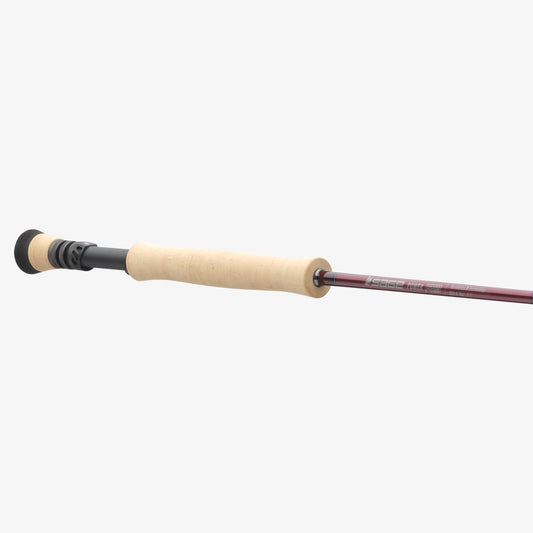
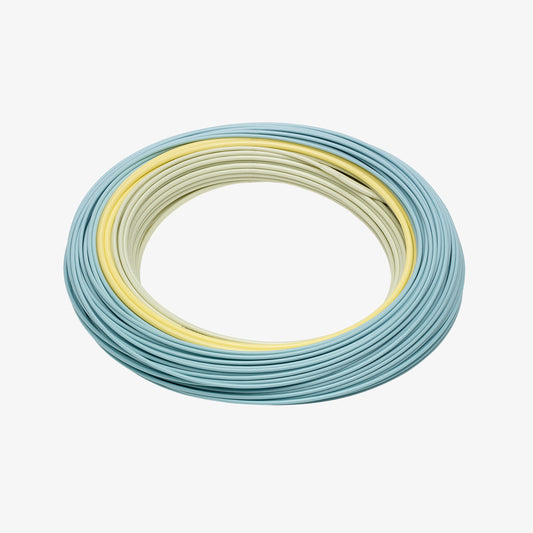
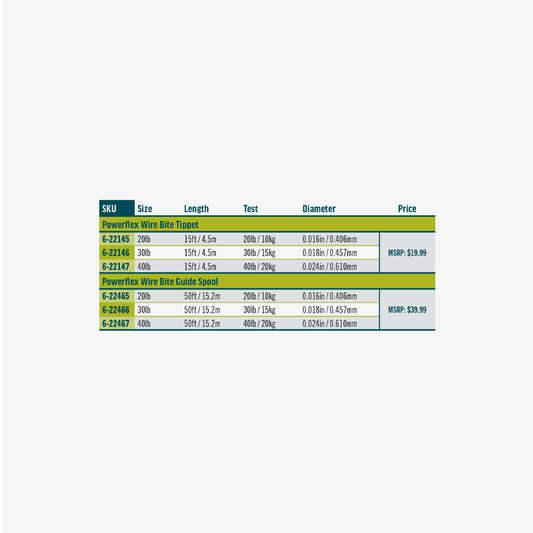
In the Bolivian Jungle, a 9 foot, 9-weight fast action rod is the ideal all around setup for targeting dorado. This rod provides the accuracy needed for quick, short to mid range casts and enough power to turn over large baitfish flies over a longer cast. Dorado rods should be paired with a high-quality reel with a smooth, reliable drag system, spooled with a weight forward Floating/Hover/Intermediate warm water fly line. While a floating line will work, we prefer the Floating/Hover/Intermediate as it creates less sound and movement on the water's surface when targeting Dorado. Leaders are built on site, with 40lb Monofilament and 40lb wire bite tippet being standard.
-
Regular price $1,100.00Regular priceSale price $1,100.00 -
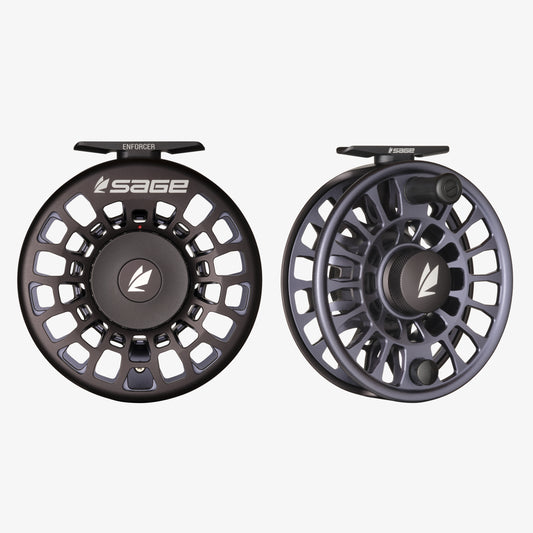
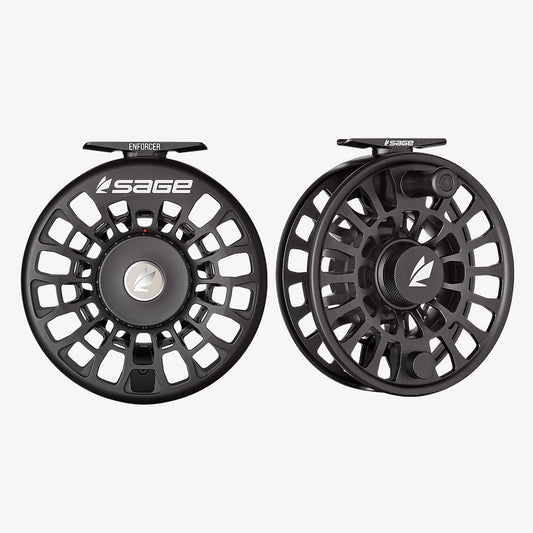
ENFORCER 9/10
Saltwater Specific
Regular price $600.00Regular priceSale price $600.00 -
Elite Warmwater Predator
Bass, Jungle, and Bulky Flies Specific
Regular price $129.99Regular priceSale price $129.99 -
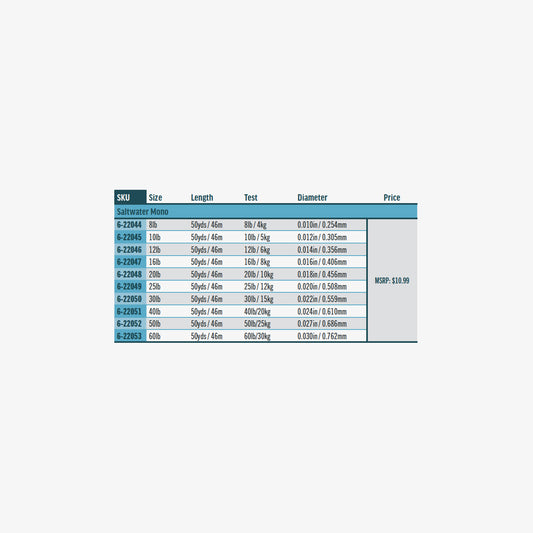
Saltwater Mono
Saltwater All Around - Go-To
Regular price $12.99Regular priceSale price $12.99 -
Powerflex Wire Bite Tippet
Maximum Bite Protection
Regular price $19.99 – $39.99Regular priceSale price $19.99 – $39.99
Tsimane Heli Secondary Setup
For a secondary rod in Bolivia, we recommend a fast action, 9 foot 8-weight fly rod for targeting a mix of both Dorado and Pacu. A bit lighter in hand than a 9-weight, casting a lighter fly with this rod can greatly increase an anglers accuracy. This setup should also be paired with a high-quality reel with a smooth, reliable drag system. Instead of the F/H/I line, this setup should be spooled with an 8-weight, warm water floating fly line. Because Pacu eat flies on the surface, this can be a great rod to have a large dry fly attached to.
-
Regular price $1,150.00Regular priceSale price $1,150.00 -
ENFORCER 9/10
Saltwater Specific
Regular price $600.00Regular priceSale price $600.00 -
Elite Warmwater Predator
Bass, Jungle, and Bulky Flies Specific
Regular price $129.99Regular priceSale price $129.99 -
Saltwater Mono
Saltwater All Around - Go-To
Regular price $12.99Regular priceSale price $12.99 -
Powerflex Wire Bite Tippet
Maximum Bite Protection
Regular price $19.99 – $39.99Regular priceSale price $19.99 – $39.99
Support Your Local Fly Shop
If you need assistance with assembling your gear for your upcoming travels, we encourage you to support your local fly shop. This curated list of tackle is handpicked for your destination by our experts and can serve as your shopping list to get your ready for your next adventure. Find your local Far Bank dealer.
Bolivia's Top 5 Flies
Due to the specific nature that the guides like their flies tied, we recommend guests purchase the majority of their flies on site. That being said, for commercially available patterns these are the ones we wouldn't leave home without. These patterns have proved themselves to work in a variety of conditions and remain favorites with guides and anglers alike.
Top 5 Flies for Bolivia's Jungle
- Andino Deceiver - Black/Red, Black/Purple, White/Olive (Size 2/0-4/0)
- Morrish's Jungle Love - Black/Red, Red/Purple (Size 2/0)
- EP's GT Baitfish - Bleeding Back, Black/Purple, Sardina (Size 5/0)
- EP's Dorado Baitfish - Sabalo, Purple/Black (Size 4/0)
- Morrish's Skate Rat - Natural (Size 4/0)
Suggested Packing List
We understand packing for an adventure is not easy. On a trip like this it is very important to have everything you need and nothing you do not. As the climate is extremely changeable and a wide range of temperatures and conditions can be expected, we recommend layering clothes. Anglers should be prepared with sun protective clothing, fleece/soft shell jacket, and a rain jacket. Synthetic fabrics are preferred to cotton. Dress at the lodges/camps is neat but casual.
Documents:
Passport, plane tickets, itinerary, cash, credit cards
Pliers:
One good pair of long nose pliers with optional wire cutter
Clippers:
One line clipper. Hardware store wire cutters are the best for any wire cutting applications
Knife:
One medium size travel knife (optional but handy)
Gravel Guards:
One or two pairs of neoprene wading socks with built in gravel guards
Boots:
Felt soles have proven to be the best. The guides are adamant that studs will spook fish. Please don’t bring studded felt or rubber boots
Socks:
One or two pairs of neoprene wading socks as mentioned above. It is suggested that a pair of wading socks are worn under the neoprene socks. Anglers fishing in the jungle need to take special care of their feet, wash out socks each day with fresh water and make sure to bring anti-fungal foot powder cream.
Flats Shirts:
Three long-sleeved shirts with hoods
Pants:
One pair of lightweight travel pants
Shorts:
Two pairs of quick dry shorts
Tights:
Guides and most guests have converted from wearing long pants to shorts with running/sun tights underneath.
Warm Layers:
Although this is a tropical climate, it can be hit with cold fronts. For this reason, we recommend bringing a pair of expedition-weight tights and a fleece or a lightweight down jacket.
Hats:
Two hats
Rain Jacket:
One lightweight rain jacket
Camp Shoes:
One pair of lightweight shoes for around camp
Sun Gloves:
One pair of sun gloves. Full-finger lightweight gloves can be handy when sandflies are active.
Face Covering:
Two "Buff" style facial sun protectors
Sunglasses:
Two pairs of polarized sunglasses. It is great to have a lens cleaner and a soft cleaning cloth as well.
Sunscreen:
One full bottle SPF 30+
Lip Balm:
Two tubes of SPF 30+ lip balm
Tape:
One roll of athletic tape, such as Coban, for taping fingers. The alternative is stripping guards or gloves.
Backpack:
One waterproof backpack
Camera:
With extra batteries and a waterproof case/bag
Headlamp:
One small LED headlamp with batteries
Baggies:
Six medium-sized Ziploc baggies for storing facial sun protectors, lens cloth, etc.
Toiletries:
Toothpaste and toothbrush, deodorant, razor, lotion, mini shampoo bottle, Advil, sleep aid, earplugs, band-aids, anti-bacterial ointment, Benadryl, Gold Bond powder, Pepto-Bismol, Imodium, antibiotics, antifungal ointment.
Suture Glue:
Paint on super glue for finger cuts
Electrolytes/Hydration Aid:
Hydration tablets or powder are recommended, as it's hard to stay properly hydrated on this trip.
Contact Taylor Goodhue
Taylor is a native Oregonian who has been passionate about fly fishing for as long as he can remember. Prior to joining Fly Water Travel, he worked with Confluence Fly Shop in Bend, Oregon, where he served as an instructor, guide, and sales associate. His deep love for both travel and the sport has taken him across the globe in pursuit of a wide variety of fish species.