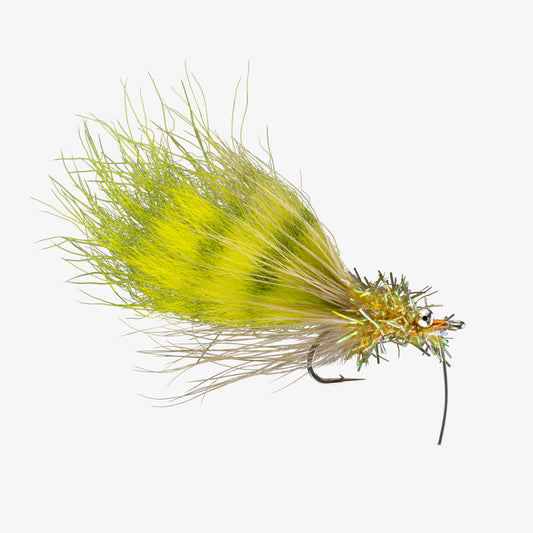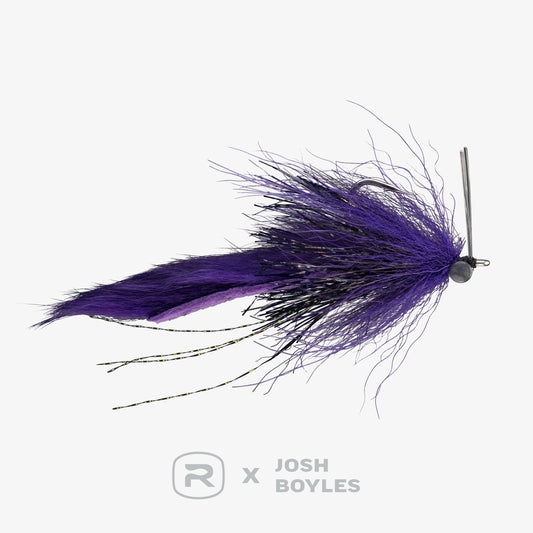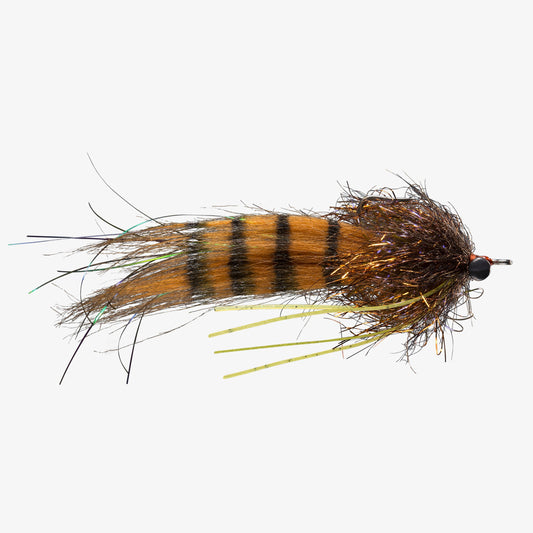

Declan Rogers has fished all around the country chasing reds. The behaviors he covers below have been observed in Maryland, North Carolina, South Carolina, Georgia, Florida, Mississippi, Alabama, Louisiana and Texas. Specifically, Mosquito Lagoon, Tampa Bay and St. Simons Island. His fishing vessel of choice, a canoe. His favorite fly, coined by Pat Garvey the "Purple Sexy," is a small black tarantula brush fly with a little orange egg sack. If he could chase redfish anywhere in the world it would be on Chandeleur Island off of Mississippi. You can check out his Instagram @deepsea_dec.
How to Understand Redfish Behaviors and Feed Them Accordingly | with Declan Rogers
Team Redington
October 14, 2025
Here’s the deal. Every redfish is different, and every fishery unique. While they're technically the same fish, when you're crossing state lines, they tend to act a little different. That said, I've seen a few behavior patterns in redfish that are relatively universal regardless of region. If you're as obsessed with these fish as I am, chances are you've picked up on these as well.
So what are these behaviors, what do they tell us, and how can that information be used to build a successful redfish gameplan? The three main behaviors I’ve witnessed are crawl, slither and tail. Here’s what they look like, and how to feed them. -DR
Crawling Behavior
When redfish are in contact with hard bank, they crawl. This could be muddy creeks, oyster beds or mangroves. This is a low-tide event. Sometimes they’re crawling so shallow you can see their eyes. When they’re doing this, they’re eating shrimp and crabs. You’ll often hear giant splashes and see flying shrimp. These are some of the easiest fish to catch and often have a clear and distinct path. A crawling fish will stay on the bank and maintain speed and direction long enough for you to make a cast.
Where to Cast
Because the bottom is hard, you can often lead crawlers pretty far. Lead the fish by 10 ft and leave the fly on the bank. Ideally, you can lay your fly on land and strip it out to the fish as it’s swimming by to imitate a fleeing fiddler crab. There's nothing wrong with leaving your fly in the mud and waiting for the fish. Crawlers can be spooky, so 1-2 casts is the max.
How to strip
Once the fish is in range, pop the fly off the bank. The fish should charge it and smoke it. If he sees it, he should eat it. Just make sure the fly comes in front of him.
Slithering Behavior
Slytherin! These evil little wizards can be tough to feed. A slithering fish is lazy, in deeper water, swimming to avoid objects on the bottom. Fish will slither over grass of all kinds. Flood tide fish slither over spartina, and north Florida reds will slither over thick matted sea grass. Instead of bullying through on the bottom, they ride the surface when in transit. They are erratic, spooky and can disappear at any moment, lost in the grass forest forever.
Where to Cast
This is a technical feed. Too close, they’ll spook, too far, they’ll never see it. Your fly may instantly foul or get caught up, regardless of its weedless properties. The best ratio for this is 1-to-1. One foot beyond the fish, one foot in front. Try to land the fly softly, stopping your cast high and allowing the line to fall slowly. You won't need much weight on the fly, as you want it to stay near the surface. Gurglers work, but a good subsurface fly works better if casted accurately.
How to strip
Fast strips—show the fish the fly. You have almost no time to work before the grass consumes it. Cast beyond the fish and make a few fast strips in front of it. If you’re lucky, you can get a reaction strike and come tight. When fighting the fish, remember to be cognizant of the grass. If you’ve got a big wad on your fly line, you won't have control of the fish and will struggle to keep proper tension, increasing your odds of losing the fish.
Tailing Behavior
This is what dreams are made of—tails shimmering in the sun. This is mostly a first-light and last-light activity. They do this in all types of environments, and you can usually throw a few casts. As long as you strip the fly back quietly, you can often throw a handful of casts at a fish before it feels the heat. They’re preoccupied digging in the mud, so stay quiet, land the fly soft, and be accurate.
Where to Cast
Close is good, far is pointless. Don’t lead the fish, they’re not going anywhere. A fish won't look up for your fly, but if it bounces off the bottom in front of them, they’ll crush it. Identify the direction of the fish and try to land within a foot or two of its head. Sometimes the noise of the fly landing can get an instant strike.
How to strip
The fish is looking down. YOU ARE A CRAB! You need your fly on the bottom, bouncing, dragging, digging. The fish is looking DOWN. Do not strip your fly fast off the bottom, they’ll never see it. Here, less is more. Strip and inch at a time, and let the fish find the fly. It's important you know where your fly is—try to visualize exactly where it’s at so you know when to leave it and when to tick it. These are catchable fish, be patient, and you can get tight.
Shop Redfish Gear
-

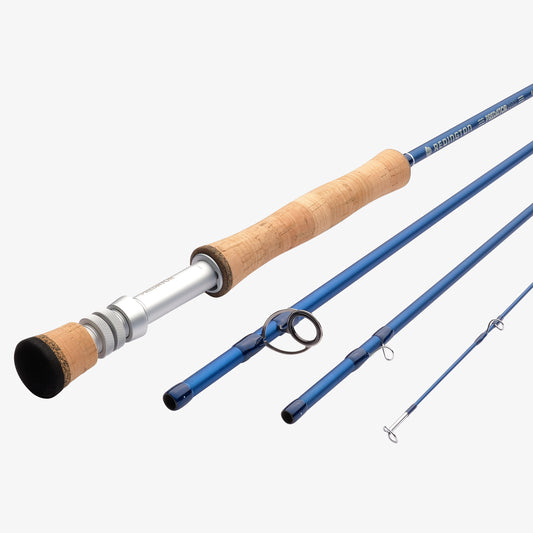
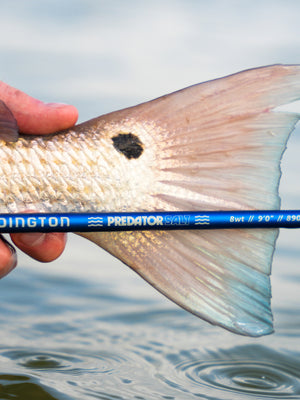
Predator Salt 890-4
Flats / Bonefish / Redfish
Regular price $399.99Regular priceSale price $399.99Sold Out -
Premier Redfish
Redfish Specific
Regular price $99.99Regular priceSale price $99.99 -
Regular price $52.99Regular priceSale price $52.99 -

Predator Salt 990-4
Flats / Bonefish / Redfish / Permit
Regular price $399.99Regular priceSale price $399.99Sold Out -
Premier Redfish XP
Redfish Specific - Extra Power
Regular price $99.99Regular priceSale price $99.99 -
Regular price $59.99Regular price
Sale price $59.99 -
Regular price $44.99Regular priceSale price $44.99
1
/
of
7