Getting Ready

We’ve created a quick checklist of essential tasks to make sure you’re fully prepared for the journey ahead. If questions come up or you need anything at all, just give us a call, we’re here to help every step of the way.

To-Do List:

✓ Arrange flights to/from Kenai, Alaska

✓ Purchase fishing licenses

✓ Complete your personal online guest registration form and sign the outfitter's waiver

✓ Get travel cash

Getting to the Lodge:
To get to camp, guests need to make flight arrangements to and from Kenai, Alaska (ENA). All flights connect through Anchorage, Alaska (ANC).

Arrival Day:
Guests should plan to arrive in Kenai, AK, before 5:00 PM. Guests are met by an Alaska Steelhead Camp representative on arrival and will be transferred by car about 30 minutes to camp.

Departure Day:
Guests should book a return flight departing after 9:00 AM to have time to have breakfast at camp and pack up before departing for the airport.

Documentation Requirements:
Canadian, British, European Union and Australian citizens only need a valid passport for entry into the United States. No visa is required.

Transportation Services:
Please note that Uber and Lyft are available in Anchorage. We recommend guests download the app on their smartphone prior to the trip start.

Servicing Interstate Airlines:
Alaska Airlines
Alaska Airlines has a great track record and is our preferred carrier for flights to/from and throughout Alaska.

Grant Aviation
Grant Aviation serves communities throughout the Yukon-Kuskokwim Delta, the Aleutians, and Bristol Bay with operations bases in Anchorage, Bethel, Cold Bay, Dillingham, Dutch Harbor/Unalaska, Emmonak, Kenai and King Salmon. In addition to scheduled service, they also offer charter flights throughout Alaska. Grant maintains an operating fleet that includes GA8 Airvans, Cessna 207s, Piper PA-31-350 Navajos, Cessna Grand Caravans, and Beech King Air 200s

Recommended Travel Agent:
Alicia Regueiro, Holdy Tours
800-446-1111 or 925-927-6617
alicia@holdytours.com

Anchorage Hotels:
Hotel Captain Cook
939 W 5th Ave
This is a luxury hotel located in downtown Anchorage.

Lakefront Anchorage Hotel
4800 Spenard Road
Set on the shores of Lake Hood, the busiest seaplane base in the world, the Lakefront gets high marks for it’s great Alaskan feel. The hotel has a full bar and restaurant and offers airport shuttles.

Courtyard Marriott
4901 Spenard Road
With its short drive from the airport and convenient shuttle, this is a great option. The hotel offers a small bistro that is open for breakfast and dinner.

Puffin Inn
4400 Spenard Road
This is the least expensive option closest to the Ted Stevens International Airport (ANC). We suggest requesting a room in the updated wing. They offer a convenient airport shuttle and a complimentary continental breakfast.

Anchorage Restaurants:
Glacier Brewhouse
737 5th Avenue

Moose’s Tooth Pub & Pizzeria
3300 Old Seward Hwy

Humpy’s Great Alaskan Alehouse
610 W 6th Avenue

Snow City Café
1034 W 4th Ave

Climate:
The weather in Alaska can vary widely. Snow has fallen in August and 70°F days have been recorded in October. The chance of rain is always good, so arrive prepared for it all. For anglers visiting in late September and into October, come prepared for frost and even snow. Temperatures typically range from 30-75°F, depending on the time of year.

Travel Cash:
We recommend each guest travel with $1,000 (USD).

Credit Cards:
The outfitter does not accept credit cards at camp.

Gratuities:
The following are guidelines. Gratuities are up to the discretion of the individual guest. Gratuities are pooled for the guide staff and camp chef and can be given to the lead guide, Jonathan Farmer, at the end of the stay. Gratuities are preferred in cash.

  • Guide Staff: $450-$500 (USD) per person per week total
  • Camp Chef: $200 (USD) per person per week

Fishing licenses:
Fishing licenses are not included and need to be purchased in advance HERE. Anglers will need a basic Alaska Fishing license. No special stamps are required.

Cell Coverage and Wi-Fi:

  • Cell Coverage: Spotty but adequate in most locations
  • Wi-Fi: There is no Wi-Fi

Power:
Power is a generator supplied during the hours of 6:00 AM - 10:00 PM. Battery power banks will be supplied in tents for charging devices and running CPAP machines, if needed.

Laundry:
There are no laundry services

Water:
Plenty of filtered drinking water will be provided. We recommend bringing a water bottle to fill as you like. Each boat will also carry a Grayl water filter in case guests run out on the river.

Beverages/Alcohol:
No alcoholic beverages are provided, but guests may opt to pick up any desired libations on the drive into camp.

Emergency Medical Assistance:
Central Peninsula Hospital in Soldotna, AK, is less than 25 minutes from camp. There is also a fire station less than two miles from the camp. Jonathan Farmer is a former EMT II with nearly a decade of experience.

Recommended Medical Evacuation Carrier and Insurance Provider:
Global Rescue

Alaska Steelhead Camp Tackle Overview

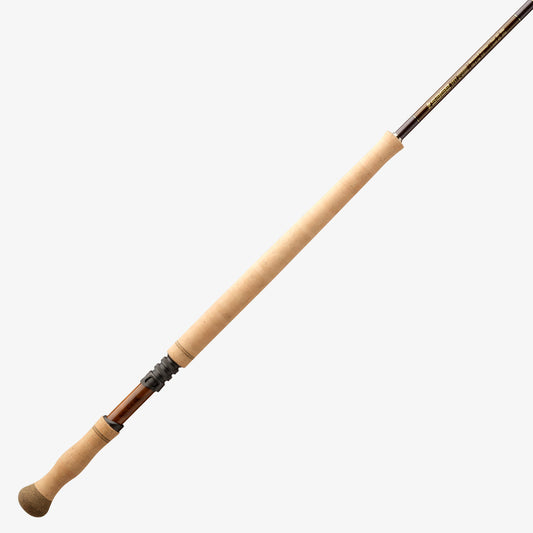
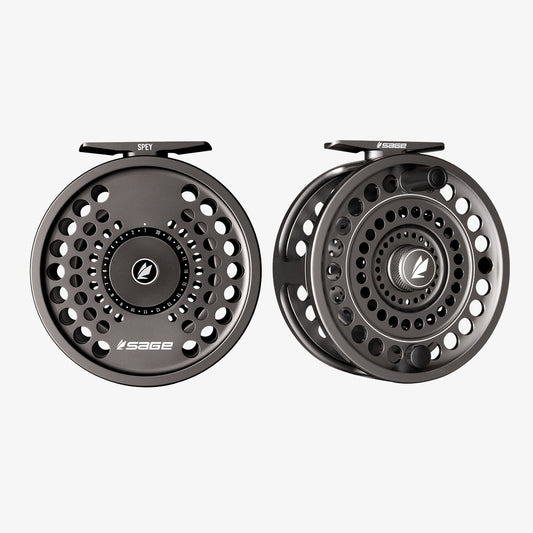
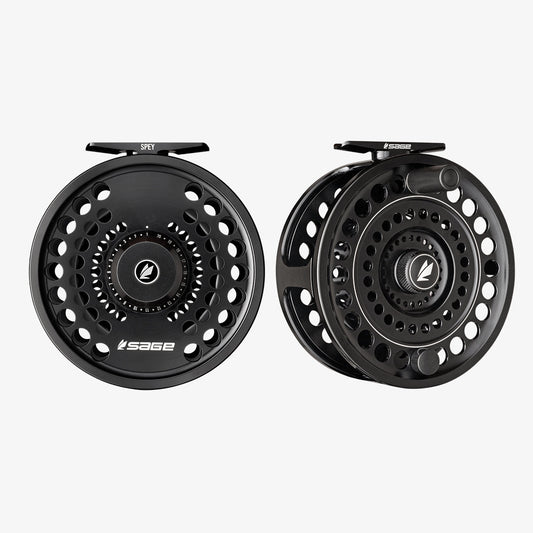
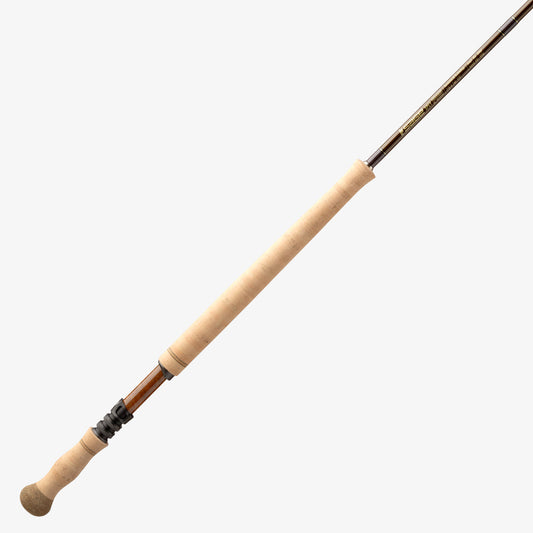
We travel to Alaska Steelhead Camp with two Spey rods. The first is a 12 ft 6-inch 7 weight setup with a matching Skagit head and the second is a 7 or 8 weight switch rod. Rods in the 12 1/2 ft range are the perfect sweet spot. One rod should be rigged with a short Skagit head and sink tip.

Your second rod could be rigged as a backup Skagit system with different/lighter sink tip, reducing time spent changing sink tips. Both set-ups should be matched with good quality reels, appropriate mono or floating running lines, and at least 150 yards of 30-pound backing. Spey anglers have a great many options when it comes to rod lengths and virtually all of the options are viable. Likewise, guests could travel with two 8-weights or two 7-weights, as both are well suited to the program.

Alaska Steelhead Camp Provided Equipment:

  • Rods/Reels/Lines: Alaska Steelhead Camp has a small selection of loaner rods, reels and lines for guests to use in the event of lost or delayed luggage.
  • Flies: Guests will be provided with Jonathan Farmer’s hand-tied flies, but guests are welcome to bring their own as well.

Alaska Steelhead Camp Primary Setup

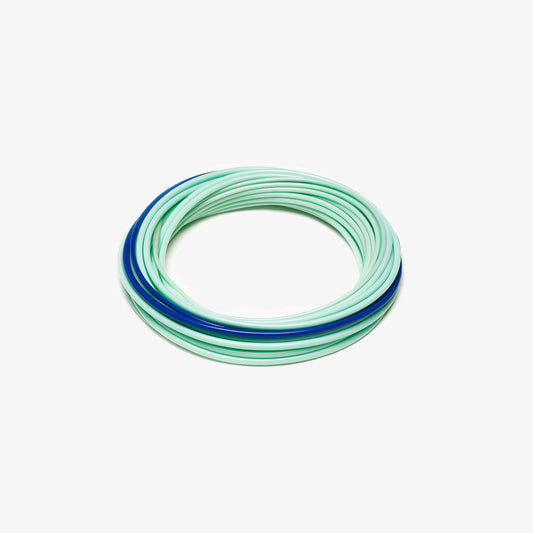
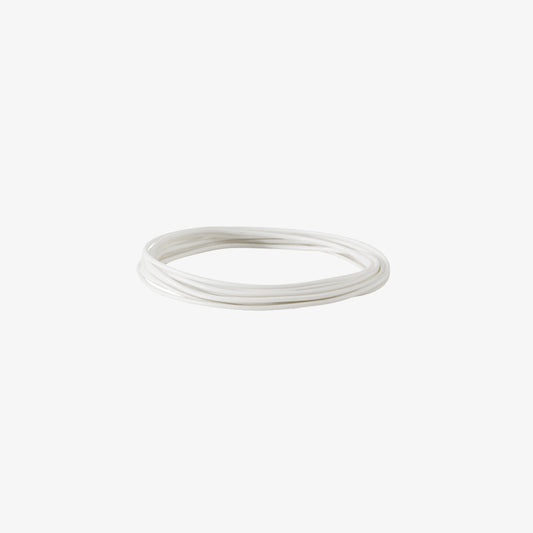
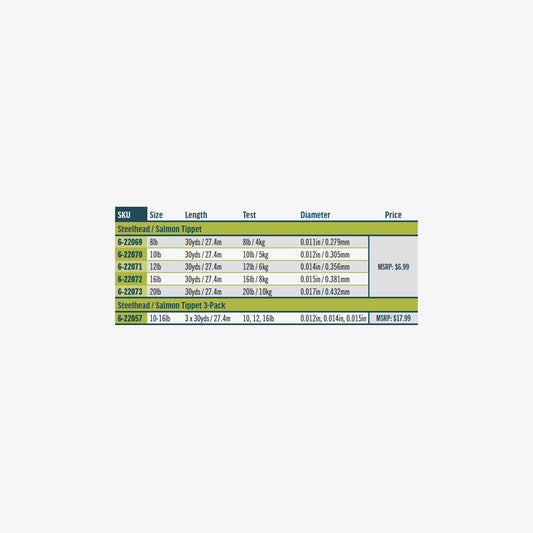
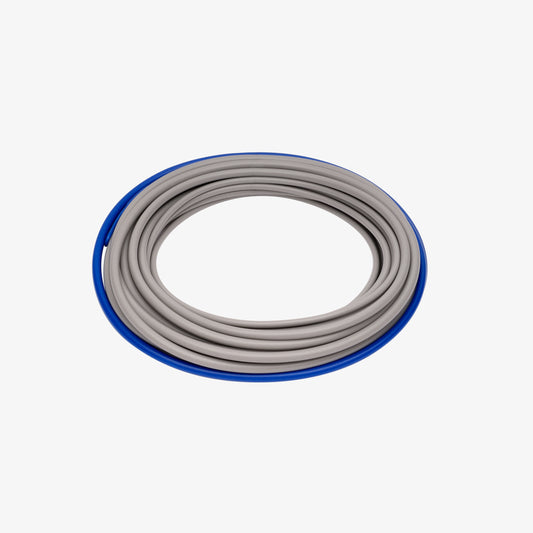
A Skagit setup is the staple for most Kasilof anglers. They are easy to cast and are used most often for sink tip fishing. RIO Skagit Max heads are typically recommended for Spey rods over 13 feet while the RIO Skagit Max Power is recommended for Spey rods 13-feet and under. We recommend travelling with 10 ft. Skagit MOW tips in 10ft. T8, T11, T14, and T17. We also suggest RIO Steelhead/Salmon Tippet in 16 lb and 20 lb.

Alaska Steelhead Camp Switch Rod Setup

The outfitter recommends a switch rod of 12 feet or less as a second rod. This is not mandatory but can come in handy on certain runs or when visiting the much smaller Deep Creek. When fishing the Kasilof this rod can be rigged with a lighter sink tip than your primary 7 or 8 wt. Spey rod.


Alaska Steelhead Camp Flies

At Alaska Steelhead Camp, there’s no need to stress over fly selection— every guest is outfitted with flies tied by renowned fly tier Jonathan Farmer. Fishing his home state's waters with patterns he’s crafted specifically for these conditions is a rare and memorable part of the experience, adding an extra layer of confidence and connection to every cast.

For those who enjoy bringing a personal touch or tying ahead of the trip, you’re welcome to pack your own favorites. Proven patterns for these waters include the Hoh Bo Spey, Graboid Leech, Beast of Burden, and a variety of marabou tube flies.

Suggested Packing List

We understand packing for an adventure is not easy. On a trip like this it is very important to have everything you need and nothing you do not. As the climate is extremely changeable and a wide range of temperatures and conditions can be expected, we recommend layering clothes. Anglers should be prepared with thermal underwear, fleece/soft shell jacket, and a rain jacket. Synthetic fabrics are preferred to cotton.

Documents:
Passport/Real ID, itinerary, copy of fishing licenses, credit card, cash

Waders:
Breathable Gore-Tex stocking foot waders are recommended. For anglers prone to cold (especially feet), boot foot waders are excellent.

Boots:
Felt-soled boots are not allowed in Alaska. Studded wading boots (bars or cleats) are a must.

Forceps:
We like the scissor pliers for crimping barbs, releasing fish, and trimming flies.

Clippers:
One line clipper

Wading Staff & Belt:

One wading staff & belt (belt mandatory)

Socks:
At least four pairs of wool or synthetic socks to wear under your waders. Two pairs of camp socks.

Base Layers:
Two pairs of synthetic or merino wool long underwear (tops and bottoms) to wear beneath your waders. One mid-weight and one heavyweight. These can be worn alone or together, depending on conditions.

Shirts:
Two or three long sleeve fishing shirts. One or two camp shirts.

Warm Layers:
A warm insulating layer. Down, nano puff and fleece are good. Avoid cotton.

Rain Jacket:
One high quality rain jacket

Hats:
Two fishing/baseball hats. One warm cap.

Camp Shoes:
One pair of shoes for around camp. We recommend something warm and waterproof.

Gloves/Hand Warmers:
One pair of warm fishing gloves, hand warmers, and a pair of heavier gloves for in the boat or around camp

Buff:

One “Buff” facial sun protector (good for bugs too)

Sunglasses:

One or two pair of polarized sunglasses. It is great to have a lens cleaner and a soft cleaning cloth as well.

Sunscreen:
One bottle SPF 30+

Lip Balm:
One tube of SPF 30+ lip balm

Backpack:
One waterproof backpack or boat bag for day gear

Camera:
Don’t forget extra batteries and waterproof case/bag

Headlamp:
One small LED headlamp with batteries

Toiletries Kit:
Toothpaste and toothbrush, deodorant, razor, lotion, mini shampoo bottle, Advil, sleep aid, ear plugs, band aids, anti-bacterial ointment, Benadryl, Gold Bond powder, antibiotics (see doctor)

Contact Kat Mueller

Kat grew up in a fishing-obsessed family and remembers only one vacation in her youth that wasn't centered around chasing fish. She has spent most of her adult life fishing across Colorado, Idaho, Wyoming, and Utah, while working behind the scenes with top lodges and outfitters to help their guests get the most out of their time on the water. An accomplished creative, Kat’s photography and writing have been featured in The Drake and other notable publications. While she is well-versed in all forms of fresh and saltwater fly fishing, she is first and foremost a two-handed steelhead angler. Her experience includes countless weeks on the Olympic Peninsula, the Snake and Clearwater rivers, and many of British Columbia's fabled waters. Additionally, Kat is a skilled rower and fly tier, and holds certifications in Swiftwater Rescue and Wilderness First Aid.

Contact Kat