Getting Ready

We’ve created a quick checklist of essential tasks to make sure you’re fully prepared for the journey ahead. If questions come up or you need anything at all, just give us a call, we’re here to help every step of the way.

To-Do List: 

✓ Arrange flights to/from Buenos Aires, Argentina

✓ Arrange hotel in Buenos Aires, as needed

✓ Arrange flights to/from Corrientes or Resistencia, Argentina

✓ Complete personal online guest registration form

✓ Purchase medical insurance coverage

✓ Get travel cash

Getting to the Lodge: 
To reach Pira Lodge, guests need to arrange travel to and from Corrientes, Argentina (CNQ), or Resistencia, Argentina (RES). Corrientes is the preferred airport. All international flights arrive through Buenos Aires International Airport (EZE), with domestic connections departing from the domestic airport, Buenos Aires Aeroparque (AEP).

Arrival Day: 
Guests are advised to book the earliest available flight to Corrientes or Resistencia. Drive time to the lodge is approximately 4 to 5 hours.
 
Departure Day: 
Guests are advised to book a flight departing from Corrientes or Resistencia after 12:00 PM.

Note: For groups of 4 or more, a private charter flight can be scheduled and flown directly to and from the lodge.

Documentation Requirements: 
To enter Argentina, all guests are required to have the following: 

  • Passport: Valid for the duration of your trip 

Recommended Travel Agent: 
Alicia Regueiro, Holdy Tours
800-446-1111 or 925-927-6617
alicia@holdytours.com  

Domestic Flight Note: 
Domestic flights within Argentina fly through either the Ezeiza international airport (EZE) or domestic airport, Aeroparque Jorge Newbery (AEP).  

All domestic flights within Argentina prohibit carry-on baggage of fishing equipment (rods, reels, lines, flies, etc.) and must be checked. 

Buenos Aires Transfers: 
After arriving at the international airport (EZE) in Buenos Aires, clearing customs and immigrations (45 min – 1 ½ hour process), in most cases guests will need to transfer to the domestic airport (AEP), to make the connecting flights within Argentina. The transfer between airports or to downtown hotels takes approximately 45 minutes, depending on traffic, however we recommend allowing four hours between flights. The following are transfer options:  

  • Tienda Leon – Located just outside of customs through sliding glass doors. Transfers can be pre-arranged online or arranged after arrival for approximately USD $40-$60 per person.  
  • Private Transfer – A private driver and/or driver and guide can be arranged through our recommended travel agent.   

Buenos Aires Hotels (Recoleta District): 
Intersur Recoleta 
Av. Callao 1764 

Four Seasons Hotel Buenos Aires 
Posadas 1086/88  

Loi Suites Recoleta Hotel 
Vincente Lopez 1955 

Arc Recoleta Boutique Hotel & Spa 
Peña 2155

Buenos Aires Restaurants: 
La Cabrera  
José A. Cabrera 5127  

Las Violetas 
Av. Rivadavia 3899  

Cabaña Las Lilas 
Av. Alicia Moreau de Justo 516  

Don Julio Parrilla 
Guatemala 4699 

Parrilla La Brigada 
Estados Unidos 465

Currency: 
The official Argentine currency is the peso (ARG) however US dollars (USD) are accepted throughout the country and for gratuities. We recommend exchanging no more than $100 (USD) into pesos (ARG) for small tipping, such as baggage handlers, taxis or tips at restaurants, throughout your travels in Argentina.  

Exchange Options:
We recommend the following for exchanges.  

  • Airport Convenience Stores – Purchase something small using a $100 (USD) bill and change will be provided in pesos, which should be enough pesos during your travels.   
  • Hotels  
  • ATMs  

Travel Cash: 
We recommend each guest travel with 

  • $1,700 (USD) per week of travel 
  • Bills should be new and in larger denominations, such as $50s and $100s   

Credit Cards: 
The lodge accepts all major credit cards, however credit card payments are subject to a processing fee. 

Gratuities:  
The following are guidelines, and all gratuities are up to the discretion of the individual guest. Gratuities can be left with the lodge manager at the end of the week for distribution to guides and lodge staff. 

  • $1,200-$1,500 (USD) per person per week  

Fishing Licenses:  
Not included, will be purchased and issued on-site for a $100 USD fee.

Electrical Requirements: 
A Type I adapter is needed throughout Argentina 

Communications:  
While traveling in Argentina we recommend using WhatsApp as this is the way most lodges and outfitters communicate. Texting through the app will allow you to keep in touch with the outfitter, friends, and family when connected to Wi-Fi. 

Cell Coverage and Wi-Fi:  

  • Cell Coverage: There is limited cell phone service at the lodge, check with your carrier 
  • Wi-Fi: The lodge has reliable satellite-based internet service

Power:
The lodge has reliable 24-hour 220V electricity.

Laundry: 
Not included, limited laundry service is available for a fee 

Water:
Bottled water is provided and is considered the only safe drinking water.

Beverages/Alcohol: 

  • Soft Drinks: Included  
  • Beer and Wine: Included 
  • Alcohol: Included

Emergency Medical Assistance:
Due to the remote nature of the Iberá Marsh and the lodge’s satellite camps, access to medical care is limited. The closest medical facilities are located in Corrientes, several hours away by road, and in more serious situations, evacuation to Buenos Aires may be required. In emergency scenarios, a charter flight may be necessary to reach appropriate care. Guests are responsible for any medical evacuation costs, and it is highly recommended that all travelers carry comprehensive medical insurance, including emergency evacuation coverage. 

Recommended Medical Evacuation Carrier and Insurance Provider:   
Global Rescue 

Pira Lodge Tackle Overview

The lodge is happy to provide guests with all of the recommended terminal tackle, but if you prefer to fish with your own equipment this is what we recommend:

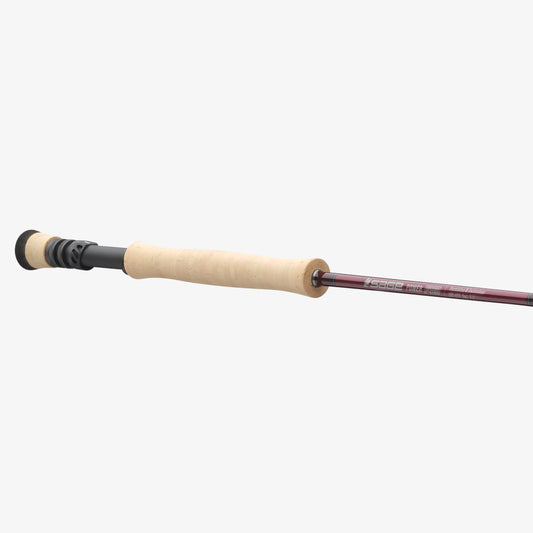
For dorado anglers, we recommend bringing two rod setups to cover the range of fishing conditions encountered in the Ibera Wetlands. A 9-foot, 8-weight rod will handle the majority of situations and should be paired with floating line or intermediate sinking line for fishing both surface and subsurface flies effectively. A 9-foot, 7-weight rod serves as a complementary setup and is best matched with a warm-water weight-forward floating line, ideal for surface presentations and lighter applications.

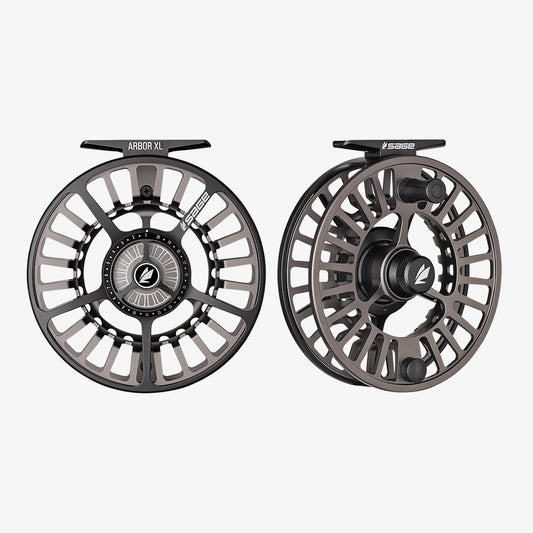
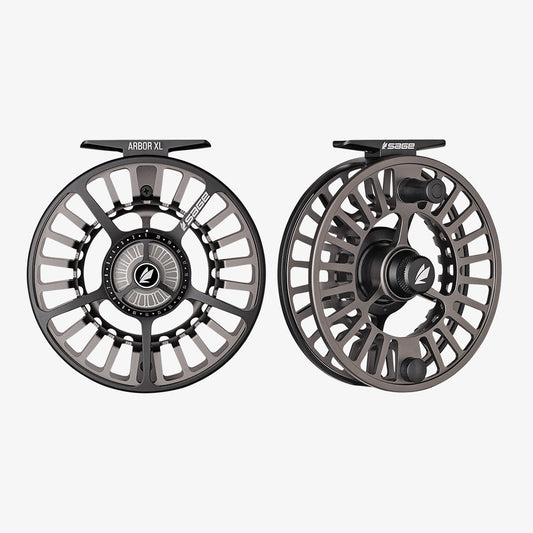
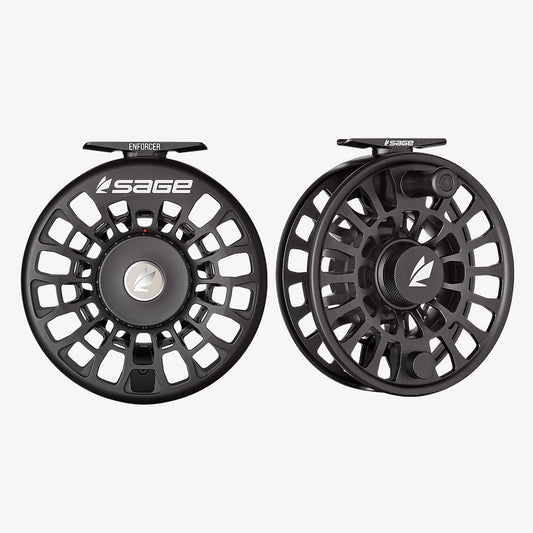
Reels should be high-quality with a smooth, reliable drag system and capacity for a full fly line plus approximately 200 yards of 30 lb backing.

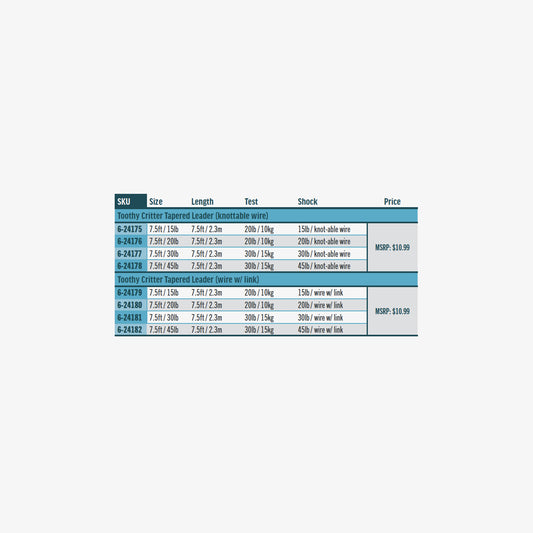
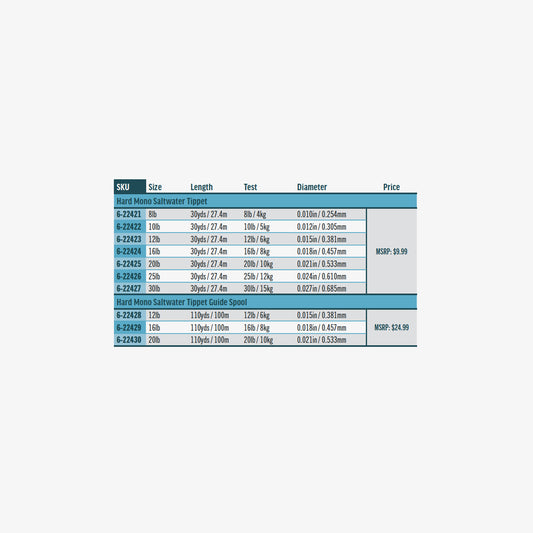
Leaders are setup as a straight shot of fluorocarbon or monofilament in the 20-30lb range. A bite wire section is required.

Note: Warmwater fly lines are essential for this fishery to ensure proper performance in the region’s higher temperatures.


Pira Lodge Provided Equipment:

Rods/Reels/Lines: Included

Flies: Not included, can be purchased on-site

Golden Dorado Primary Setup

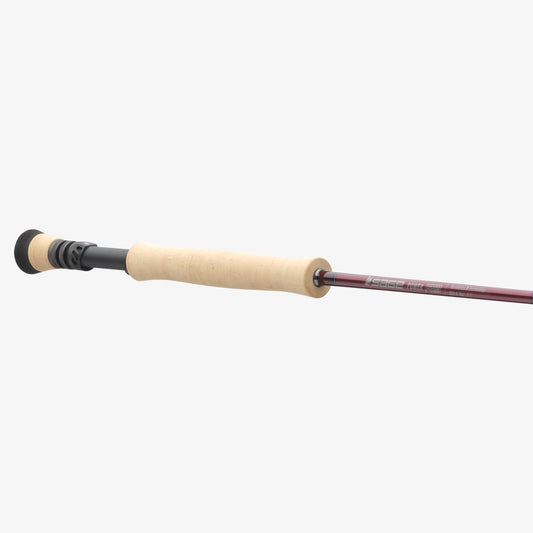
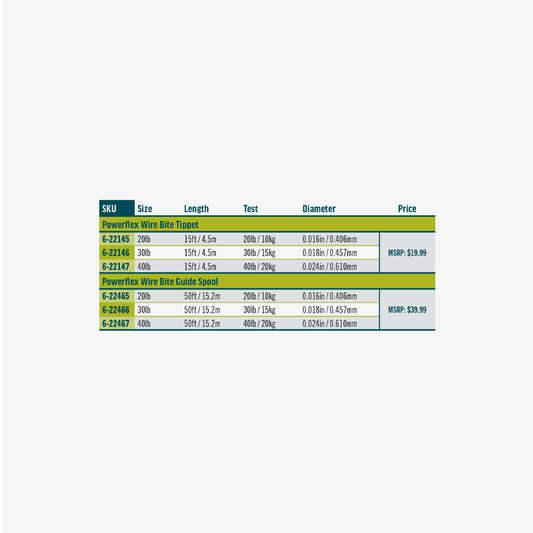
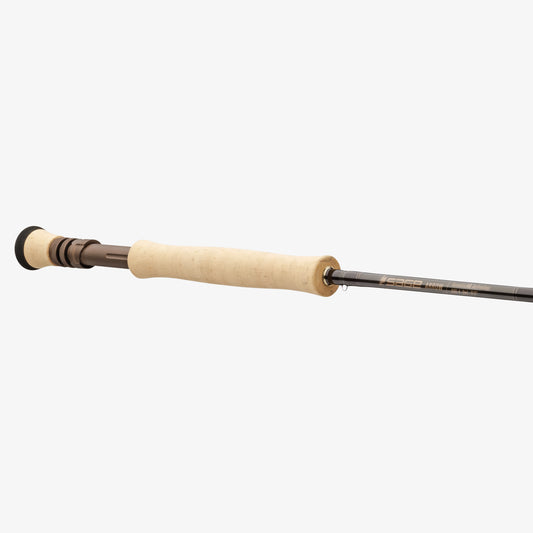
In the marsh, a 9-foot, 8-weight rod with a medium-fast to fast action is the ideal all-around setup for targeting dorado. This rod provides the accuracy needed for quick, short-to-mid range casts and enough power to turn over large surface flies around tight structure. It should be paired with a high-quality reel with a smooth, reliable drag system, spooled with a warmwater freshwater floating line. Leaders are kept simple, strong, and efficient, typically a straight section of 30–40 lb monofilament to help turn over bulky flies and withstand aggressive strikes. A wire bite tippet is mandatory to prevent cut-offs from dorado’s sharp teeth and should always be matched in strength to the leader system.

Recommended Terminal Tackle:

  • Rod: Fast action 9-foot 8-weight fly rod
  • Reel: Reliable reel, we prefer saltwater for its smooth action and backing capacity
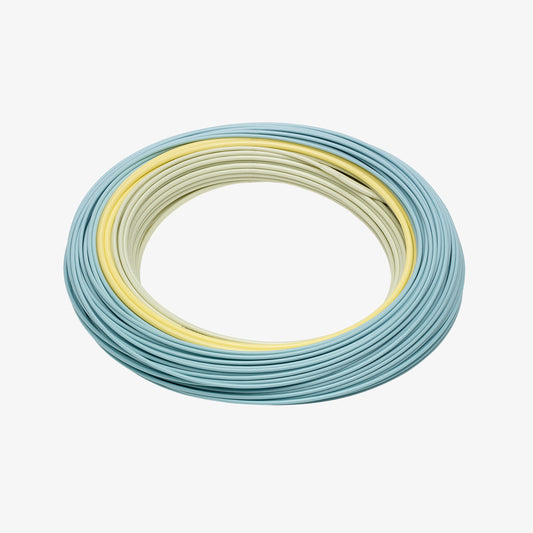
  • Line: Warm water weight forward Floating line or intermediate sinking line
  • Leader: 30 pound mono filament with 6-10 inches of bite wire

Tararira (Wolf Fish) and Pira Pita Setup

For targeting pira pita and wolf fish in the Ibera Marsh, a lighter and more responsive setup is ideal. A 9-foot, 6-weight fast action rod with a fighting butt provides the accuracy and finesse needed for precise casts to structure, while still offering enough backbone to handle strong, fast-moving fish. This should be paired with a high-quality reel and a weight-forward warm water floating line that is slightly overweighted in ½ to 1 line size heavier to help load the rod quickly and turn over a variety of flies. These species are highly opportunistic, and will take a wide range of patterns including insects, fruit, small baitfish, mice, and even floral imitations, often off the surface. Leaders are kept simple and strong, typically a straight section of monofilament, paired with a short section of knotable wire bite tippet to prevent cut-offs and provide durability.

Recommended Terminal Tackle:

  • Rod: Fast action 9-foot 6-weight fly rod
  • Reel: Reliable reel, we prefer saltwater for its smooth action and backing capacity
  • Line: Warm water weight forward Floating line
  • Leader: 15-20 pound mono filament with 6-10 inches of bite wire

Golden Dorado Secondary Setup

A 7-weight rod is an excellent choice for anglers who prefer a lighter, more responsive setup while still retaining enough power for dorado in the marshes and wetlands. It’s easier to cast over long days on the water, reducing fatigue and making it a pleasure to fish from start to finish. For travelers pairing this trip with time in Patagonia, a 7-weight also doubles perfectly as a dedicated streamer rod for trout. Experienced anglers will appreciate the added feel and finesse it offers, providing more touch and control without sacrificing capability when it’s time to deliver a big fly to aggressive fish.

Recommended Terminal Tackle:

  • Rod: Fast action 9-foot 7-weight fly rod
  • Reel: Reliable reel, we prefer saltwater for its smooth action and backing capacity
  • Line: Warm water weight forward Floating line
  • Leader: 30 pound mono filament with 6-10 inches of bite wire

Golden Dorado Flies

The lodge has a full-service fly shop on-site where guests can purchase all of the recommended patterns.

Golden dorado flies are built to push water, create disturbance, and trigger aggressive strikes in often off-colored conditions. Proven patterns such as the Andino Deceiver, Predator Pounder, El Dorado, and Jungle Love form the backbone of any fly box. These flies are typically larger and bulkier, ranging from 4½ to over 6 inches, and are tied on strong hooks in the 2/0–6/0 range. Dark color schemes, particularly all black or black paired with red, chartreuse, yellow, or purple, are the most consistent producers, as they create a strong silhouette in stained water.
A mix of weighted and unweighted flies is important, allowing anglers to adjust presentation based on depth and current speed. Synthetic streamers are also highly effective, offering increased durability against dorado’s sharp teeth and the ability to maintain profile after repeated strikes. Having a range of sizes, weights, and color combinations is key to consistent success.

Fly selection for pira pita and wolf fish is more varied, reflecting their opportunistic feeding behavior. These species readily take smaller, lighter flies, including surface patterns, baitfish imitations, and terrestrials. Foam-based flies such as gurglers, hoppers, and dragon flies are particularly effective, creating subtle disturbance when twitched near structure where insects and small prey naturally fall into the water.
In addition to dry flies, small streamers like craft fur minnows and zonker-style patterns are excellent choices, offering lifelike movement and versatility across a range of conditions.

Mouse patterns can also be highly productive, especially during low-light periods when fish are more active near the surface.

Support Your Local Fly Shop

If you need assistance with assembling your gear for your upcoming travels, we encourage you to support your local fly shop. This curated list of tackle is handpicked for your destination by our experts and can serve as your shopping list to get your ready for your next adventure. Find your local Far Bank dealer.

Top 5 Flies Pira Lodge

Golden dorado feed heavily on baitfish throughout the rivers, backchannels, and flooded structure of northern Argentina. While large streamers and darker baitfish patterns are the standard approach in the region’s often stained water, dorado are highly opportunistic feeders and will readily attack poppers and other surface flies, producing some of the most violent and visual eats in fly fishing.

Pira Lodge Top 5 Flies:

  • Andino Deceiver – Yellow/Red/Black size 2/0
  • EP Peanut Butter – Black/Purple size 1/0
  • RIO’s Morrish Mouse – size 4
  • RIO’s Morrish Jungle Love – Purple/Red size 2/0
  • Crease Fly Popper - Size 2/0 or 4/0

Suggested Packing List

We understand packing for an adventure is not easy. On a trip like this it is very important to have everything you need and nothing you do not. You will be fishing in a tropical jungle area and can expect the weather to be humid and quite warm. We recommend you plan on dressing in lightweight long pants and long sleeve shirts for sun and bug protection. Typically, insect repellent is only needed in the evening time when you are back at the lodge and the bugs come out at dusk.

All fishing is done from the boat and for footwear, it is recommended you wear light boat shoes, crocs, plain socks, or something that is lightweight, comfortable, and you do not mind if they get wet.

Documents:
Passport, plane tickets, itinerary, fishing licenses, credit card, cash, business cards. It is recommended to save a photocopy of your passport along with your fishing license when you are on the water, so you do not ruin or lose your original.

Boat Shoes:
Non-marking shoes with full foot coverage

Forceps:

We like the Dr. Slick scissor pliers for crimping barbs, releasing fish and trimming flies.

Fishing Pliers:
Any standard pliers will work

Shirts:

Two or three long sleeve, hooded fishing shirts. One or two lodge shirts.

Pants:

Three pairs of synthetic quick drying pants

Raincoat:

One high quality rain jacket

Light rain pants:

The more packable the better

Sun gloves:

Half finger gloves to full coverage lightweight gloves

Fleece vest or light jacket:

The boat rides and early mornings/evenings can be chilly on the boat.

Hats:
One with a full brim, one baseball cap

Warm Layers:
One warm insulating layer. Down or synthetic are good options and pack down small. Avoid cotton.

Lodge Shoes:
One pair of shoes or sandals for around the lodge and camp.

Neck Gator:

One “Buff” facial sun protector (good for bugs too).

Sunglasses:
One pair of polarized sunglasses. It is great to have a lens cleaner and a soft cleaning cloth as well.

Lip Balm:
One tube of SPF 30+ lip balm.

Sunscreen:
SPF 30+

Insect Repellent:
One bottle of repellent. Be careful with heavy deet as it may ruin rain jackets

Camera:
Don’t forget extra batteries and waterproof case/bag.

Headlamp:
Headlamp One small LED headlamp with extra batteries.

Toiletries Kit:
Toothpaste and toothbrush, deodorant, razor, lotion, mini shampoo bottle, Advil, ear plugs, band aids, anti-bacterial ointment, Benadryl, Gold Bond powder.

Accessories:
Small backpack or pack for the boat to carry your extra clothes and equipment

Contact Liam Donohoe

Liam was born and raised on the trout rivers of Idaho, where a lifelong passion for the outdoors eventually led him into the world of professional guiding. Over the past decade, he has built a career guiding and managing lodges across some of the world’s most celebrated fisheries, from Alaska’s Bristol Bay to Chilean Patagonia and the Rocky Mountains in Idaho.

CONTACT US