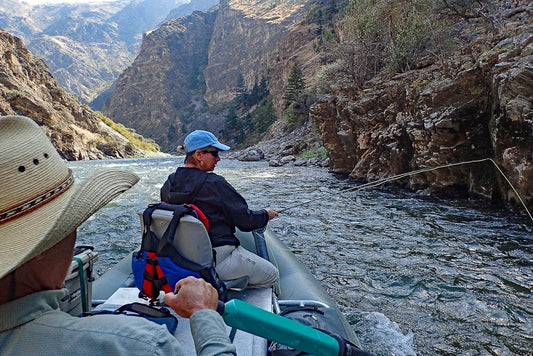
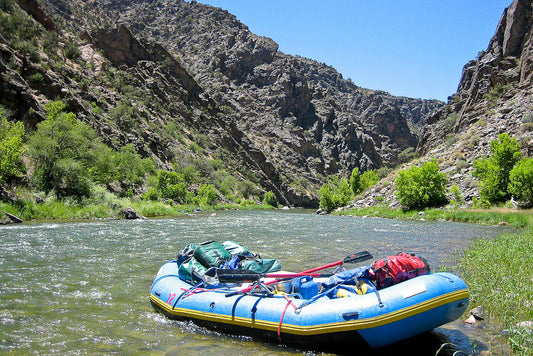
The Smith River is widely considered one of the finest, most coveted multi-day wilderness fishing float trips in the world. Over the course of a remote 61-mile canyon journey, anglers experience jaw-dropping scenery—including towering 1,000-foot limestone cliffs—abundant wildlife, and exceptionally low-pressure trout fishing. Because recreational access is strictly regulated by a state permit system, and there is only one public put-in and take-out, it offers a true escape from civilization backed by an outfitter with nearly 40 years of experience on this specific water.
Who is best suited to this destination?
This adventure is tailor-made for outdoor enthusiasts, passionate trout anglers, and wilderness lovers who relish the idea of a multi-day backcountry camping expedition. Because the river is extraordinarily scenic and visually dramatic, non-angling companions and photographers who enjoy camping are equally enthralled. It is best suited for guests who are comfortable spending full days on the water and sleeping under the stars in deluxe tent camps.
Where is the lodge?
There is no fixed lodge on this trip. Instead, this is a fully mobile, wilderness backcountry float. The staging and logistics are based out of Helena, Montana, with the 61-mile float corridor traveling through a remote canyon before spilling out into the Montana prairies.
How do I get there?
Guests fly into Helena Regional Airport (HLN). You will typically spend your arrival night at a local hotel in Helena. The following morning, the outfitter provides all ground transportation to the remote river put-in to launch the trip. At the conclusion of the 5-day float, you are transported back to Helena for an overnight stay before flying home the next day.
When should I go?
The prime floating and fishing season is concentrated from May through early July, heavily dictated by spring runoff and seasonal water volumes. May offers a legendary salmonfly hatch for those willing to brave variable spring weather. June brings beautiful weather and consistent caddis and stonefly action, while July offers excellent, classic summer dry-fly fishing and wet wading options.
How will I fish?
Anglers will fish two per guide from specialized drift boats or rafts designed to handle the river’s riffles and pools. While a large portion of the fishing is done directly from the watercraft to target undercut banks and cliff faces, guides frequently pull over on gravel bars to allow guests to get out and wade fish productive stretches.
Is there wade fishing?
Yes. While the Smith River corridor is best accessed and traversed by boat, there are abundant opportunities to step out of the craft. You will find excellent gravel bars, shallow banks, and incoming tributaries that are ideal for walk-and-wade fishing.
Where will I fish?
You will fish a continuous 61-mile stretch of the Smith River. The river starts in the mountains, cuts directly through a massive limestone canyon, and eventually opens up into the prairie. Because of the limited public access, you are fishing a unique, isolated ecosystem for five full days
How long does it take to reach the fishing grounds?
Once you launch on Day 1, you are living on the fishing grounds. You will step directly out of your tent camp into a drift boat each morning. The initial ground transfer from Helena to the river launch on the first day, and the return transfer from the take-out on the final day, take roughly one to two hours.
What type(s) of fish will I catch?
The Smith River boasts robust populations of wild brown trout and rainbow trout, with brown trout typically outnumbering the rainbows. While it is not known as a destination for giant fish, it holds immense numbers of eager, healthy trout in the 13-to-16-inch range.
How many fish will I catch?
The Smith is famous for its relative ease of catch compared to high-pressure blue-ribbon rivers. While numbers depend on weather, river flows, and personal skill, the trout here are generally non-selective and highly opportunistic, offering consistent action and a high daily catch rate for both dry flies and nymphs.
Will I see other anglers?
Very few if any. Because the state of Montana strictly limits the number of daily launches on the Smith River via a strict lottery system, angling pressure is remarkably low. While you might occasionally spot another group at a designated camp or passing on the water, the overwhelming feeling is one of complete solitude inside a private, pristine canyon.
What are the guides like?
The guides are elite wilderness watermen and exceptional fly fishing instructors licensed under an outfitter with nearly four decades of history on this river. They are highly skilled at navigating the changing currents of the canyon, enthusiastic about sharing the geology and history of the river, and expert at putting both beginners and experts onto fish.
What are the physical demands?
Physical demands are moderate. Guests should be comfortable spending 6 to 8 hours a day in a drift boat or raft and entering/exiting the watercraft onto uneven gravel bars. Because this is a true backcountry camping trip, a baseline comfort with outdoor living and variable weather conditions is necessary.
Are there any special skills required?
No special skills are required. In fact, because the Smith River's trout are famously cooperative and do not require ultra-precise presentations or microscopic flies, it is an incredibly rewarding venue for intermediate and novice fly anglers to hone their skills.
Does the lodge provide equipment?
The outfitter provides all heavy camping infrastructure—including spacious tents, comfortable cots, and sleeping pads. Guides carry standard safety gear and can assist with terminal tackle, but guests are required to bring their own personal fishing gear, including rods, reels, waders, wading boots, and a sleeping bag.
What is your favorite setup for the trip?
A 9-foot 5-weight is the workhorse setup for the Smith River, giving you great balance for dry flies and light nymph rigs. Pairing it with a 9-foot 6-weight as a secondary setup is fantastic when afternoon winds pick up through the canyon, or when you want to punch heavy dry-droppers and streamers tight against the sheer rock faces.
What are the top flies?
From mid-May through June, fish hold tight to the rock faces for high-floating foam patterns like Chubby Chernobyls and Plan Bs, as well as classic stonefly flies like Stimulators, Kaufmann’s Stones, and Bitch Creek Nymphs (sizes 4–8). Moving into summer, standard Elk Hair Caddis, X-Caddis, and Purple Hazes (sizes 14–18) rule the mornings and evenings. For pulling larger brown trout out of deep canyon pools and undercut banks, Woolly Buggers and Sculpzillas are highly effective.
What are the options if water conditions become challenging?
Because you are committed to a remote 61-mile canyon corridor with no road access, the trip proceeds down the river regardless of weather. If water conditions become turbid due to rain, guides pivot techniques immediately—switching from delicate dry flies to large, high-visibility streamers, dark nymphs, and noisy attractors fished tight to the banks where trout seek clear water.
What is a typical day like?
You will wake up to the smell of fresh coffee and a hearty hot breakfast cooked over the camp stove. While you and your guide load into the drift boats to fish the morning hatches, a dedicated gear crew packs up the main camp, passes you on the river, and rows ahead. After a scenic streamside lunch and an afternoon of fishing deep pools and canyon walls, you will float into a completely new, pre-assembled camp where hot appetizers and cold drinks await.
What is the general vibe, atmosphere and style of the lodge?
The style is a deluxe, mobile wilderness safari. The vibe is a mix of rugged backcountry adventure and classic streamside hospitality. It is unpretentious, deeply immersive, and relaxing—allowing guests to unplug entirely from technology and bond around a campfire in a spectacular natural canyon setting.
Is there an on-site owner, manager or other point-person at the lodge?
Yes. The trip is led by a veteran Head Guide/Camp Manager who orchestrates the entire moving logistical puzzle—coordinating the gear boats, camp setups, meal timings, and safety protocols to ensure the trip runs seamlessly.
Where do we eat, and what are the meals like?
Meals are prepared fresh daily by the camp crew using Dutch ovens and camp stoves, served outdoors or under a large dining canopy. Far from standard backpacking food, the menus feature hearty, beautifully prepared riverside gourmet meals, hot breakfasts, and fresh appetizers designed to satisfy a massive backcountry appetite.
What is the alcohol policy?
Complimentary beer and wine are provided by the outfitter at camp during the evening hours. Guests who prefer specific hard liquors or premium spirits are welcome to bring their own bottles, which the camp crew will happily pack securely in the gear boats.
Where do we stay, and what are the accommodations like?
Accommodations consist of heavy-duty wilderness wall tents or spacious dome tents packed with creature comforts. Each guest is provided with a sturdy raised sleeping cot and a thick sleeping pad, ensuring a warm, comfortable, and restful night’s sleep right on the banks of the river..
Is there internet and/or cell service?
No. The Smith River cuts through a deep, isolated limestone canyon where cell service and internet are non-existent. This is a true off-the-grid experience. The guide staff carries satellite communication devices strictly for emergency use.
Are there other activities?
While fly fishing is the primary daytime activity, the canyon is rich in history and natural beauty. Guests can explore ancient Native American pictographs on the canyon walls, hike up side canyons for incredible vistas, view abundant wildlife, or simply relax around the campfire.
Are there any other expenses?
The package does not include your hotel stays in Helena before and after the float, commercial airfare, Montana fishing licenses, hard alcohol, or discretionary gratuities for the guides and camp crew.
Do I need a visa?
United States citizens do not require a visa. International travelers visiting Montana must ensure they possess a valid passport and any required travel authorizations (such as an ESTA or standard tourist visa) prior to entering the United States.
Are there any health concerns, dangers or annoyances?
This is a true backcountry wilderness trip. Dangers include standard outdoor elements like fast-moving river currents, rapidly changing weather patterns—ranging from bright sunshine to sudden thunderstorms and early-season snow—and the fact that you are traveling through wild animal habitat, including black bears. The outfitter is highly experienced and well-prepared for all of these elements, and we recommend guests consult the CDC website for general travel health guidelines prior to their trip.