Pros

Guide Mindset | Texas Redfish with Sage Elite Pro Dylan Mendoza

Matt Otepka October 31, 2025

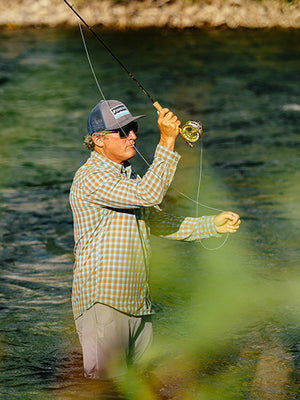
On the flats of the Texas coast, where conditions can shift by the hour, success demands more than enthusiasm—it requires the disciplined study of patterns most anglers don’t see. Sage Elite Pro Dylan Mendoza brings to his craft an unexpected foundation: an inner drive that landed him at Texas A&M as a pitcher for Aggies, and instilled in him the patience, focus, and relentless consistency that separate good guides from exceptional ones.

Dylan now directs that competitive intensity at understanding the intricate relationships between bait, habitat and the copper-flanked redfish that prowl Texas marshes. He approaches his fishery not as a playground, but as a complex system to be decoded—one tide, one wind shift, one feeding pattern at a time.

Read below for a glimpse into his guide mindset for Texas reds and the strategies, tactics and gear he uses to put together winning days for clients in the friendly confines of his Texas coastal waters. Learn more about Dylan at https://dmflyfishing.net/.

Sage: You’re a born and raised Texas boy, has fishing always been a part of who you are or was it something you found later in life?

Dylan: Baseball was my first love — I started playing when I was four years old and kept with it all the way through college. The game taught me patience, focus and consistency, which later translated perfectly into guiding. When baseball ended and I finally had some free time, I immediately gravitated toward fishing and being outdoors. I was living in the Austin area then, surrounded by water, and it didn’t take long before that same competitive drive I had for baseball shifted completely to chasing fish. That’s when I knew I’d found my next passion.

Sage: How long have you been a professional guide and when did you realize that was what you wanted to do?

Dylan: I’m in my 11th year of guiding now, which is wild to me. When I stopped playing baseball, I found myself wanting to be on the water every day, so it just felt like a natural progression. Once I took my first guide trip, the light bulb came on and I knew I found my new game. Looking back, I can’t imagine doing anything else.

Sage: In the past, you've gotten us into a mess of Guadalupe Bass. How does that game compare to your redfish passion? Who wins?

Dylan: Redfish, hands down. They’re one of those fish where you think they were designed for fly fisherman — visual eats, tailing in skinny water, big schools pushing down the bank, and that aggressive, bulldog behavior that never gets old. But they’re also just tricky enough to keep even the most seasoned anglers humble, while still being totally accessible and rewarding for someone new to the game. The best part? It’s a year-round fishery — you can catch redfish twelve months out of the year. And even though Texas is 95% private land, when you’re out there in the marsh, it feels like the whole place is yours.

Sage: How did your mindset change when you shifted to guiding exclusively in coastal waters?

Dylan: When I guided for bass on a river or lake, the conditions didn’t change all that much. Sure the water went up and down and clarity was always a topic of conversation, but nothing like it does on the coast. Tides, wind, water clarity, fish movement and behavior, the list goes on and something is always changing and forcing you to pay attention in order to be consistently successful.

Sage: What is one myth or misconception about Texas redfish that you’d like to dispel?

Dylan: “The fishing sucks when its windy.” Shoot, if that were the case I think I’d be out of business. In reality, these fish rely on the wind. The wind creates current and moves bait around where fish can lock in and feed aggressively. Windy days also help reveal schooling fish that are creating slicks and stirring up mud, plus wind breaks up the surface making it easier for us to get closer without spooking them. Alternatively, the saying should be “If it ain’t blowing, I ain’t going.”

Sage: What’s your perfect setup for redfish?

Dylan: Here's my de facto setup for targeting reds in my waters:

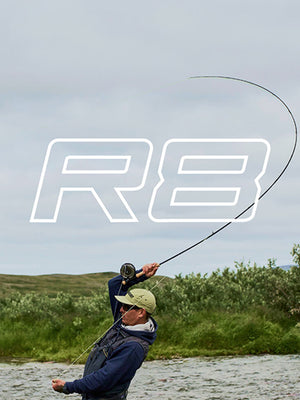
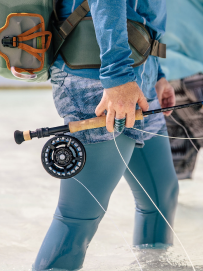
Sage SALT R8 890-4. The SALT R8 has a perfect balance of power. Fast action when you need to punch through the wind, but enough flex to load up easily on the short presentations. The swing weight is outstanding for its class and for keeping things light in your hand, while maintaining the backbone needed to turn these wide-bodied redfish and keep them out of the grass.

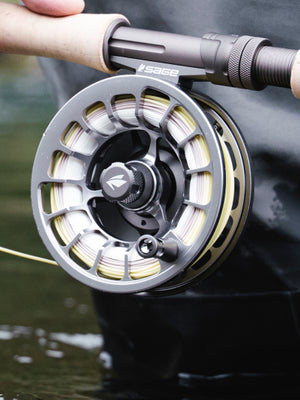
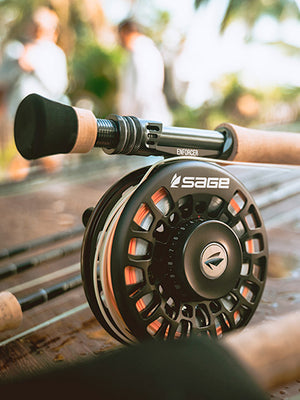
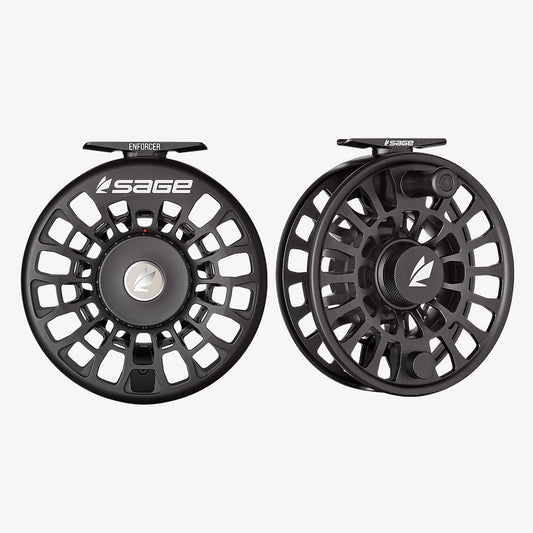
Sage ENFORCER 7/8. The ENFORCER has some unbelievable stopping power, I’ve even used this same reel for Permit and slapped 9wt line on it. I’ve had customers drop it multiple times on the deck of the boat and when other reels would have bent at the spool or reel seat, this one held up. Also, I will admit, I’m not the best at cleaning my reels and I’ve yet to have any performance issues with saltwater build up or corrosion. The fully sealed drag is bulletproof!

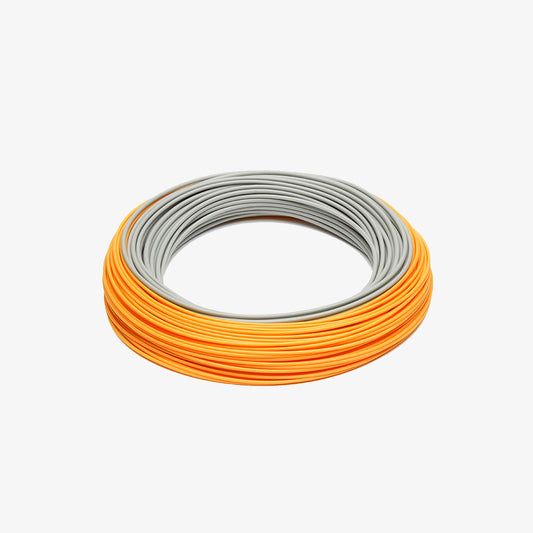
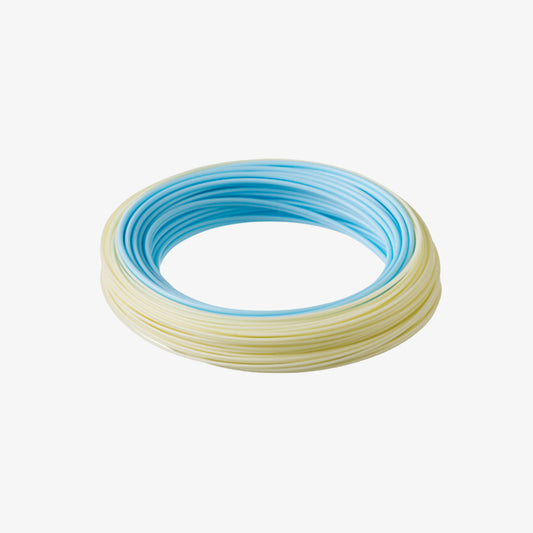
RIO Premier Redfish XP. So, this one can be a little tricky, but if I had to pick ONE line this one would be it. The reason why is simply because it gives my anglers the edge up on loading the rod with less false casts, or even just one. Being a quick shooter on the bow is imperative while red fishing and this line paired with the SALT R8 is my ideal setup.

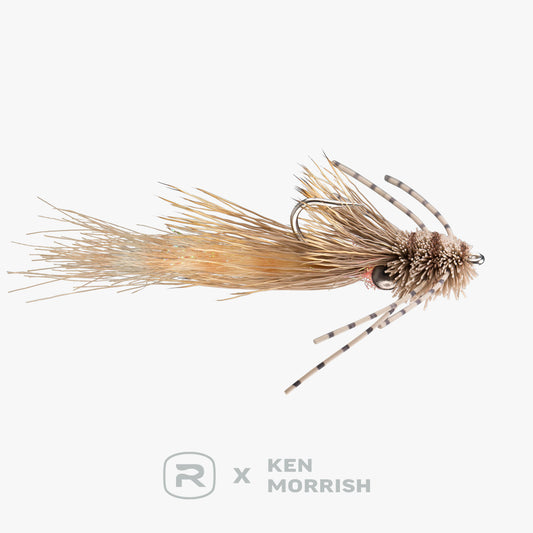
RIO’s Morrish Grab Crab. I mean just about every shrimp, crab or baitfish pattern RIO has will definitely get smoked by a redfish, but the fly that I fish the most is probably RIO’s Morrish Grab Crab because of the profile. I generally fish clear water over grass, so this fly looks natural and the deer hair keeps it up in the column to stay off the grass and in front of redfish.

Sage: What general pieces of advice would you give fly anglers hunting Texas redfish?

Dylan: Understand the current and whether it’s wind-driven or tidal. Get to know all the various types of seasonal bait and when some are more prolific than others. Know the habitat the bait migrate to and what they feed on. Once you develop those core knowledge bases, the puzzle of finding fish will start to come together. For example, there could be a shoreline a half-mile long, but the fish might only be occupying a 100-yard section where it’s most efficient for them to feed. If you’ve a got a basic understanding of what’s going on out there, you’ll be able to eliminate the guess work and get into fish, not by accident, but through knowledge and a gameplan.

Sage: Any key tactics, rig tricks, water types, etc that you think are overlooked by the most anglers hunting redfish?

Dylan: It’s not about having a skiff with the shallowest draft or fishing the skinniest water possible. Elaborating more on my answer above, it’s about the habitat the various types of bait live in. At different times of the year redfish will key in on shrimp, crabs, finger mullet, silver perch, piggy perch, shad and more. Understanding what types of habitat each bait prefers to feed in is key — whether it’s a particular type of sea grass, shell reef/mud bottom, or knowing when the menhaden are thick on the beach.

Understanding the patterns of the bait will help you navigate the seasonal changes and begin to recognize when and why the redfish are shifting their feeding habits from one bait to another. And remember, at the end of the day redfish, like the bait they chase, are going to put themselves in position to feed efficiently.

Sage: Anything you want people to know about current challenges facing coastal waters and the organizations making a difference in your fishery in particular?

Dylan: FlatsWorthy is a stewardship and advocacy group based in Rockport, Texas that was founded by local guides, recreational anglers, commercial fishermen and coastal residents who want to protect and preserve the shallow-water flats of the Texas Coast. Between wastewater discharge, habitat loss, depleting oyster reefs from over-harvesting and hurricanes, we have plenty to be concerned about.

FlatsWorthy has become one of the most important conservation voices in the Rockport/Aransas area because the flats are the economic and ecological backbone of local fishing and the community.

Healthy seagrass meadows = healthy fish populations = a strong guiding and recreational fishing community. I encourage readers to visit flatsworthy.com to see some of the progress we have made.
Sage: If you’re not on the hunt for redfish, what other species or destinations that have you infatuated?

Dylan: There are plenty of species on my bucket list, but right now, I’m absolutely hooked on permit and tarpon. Over the past few years, I’ve had the privilege of hosting guests at two world-class fly fishing destinations—the Palometa Club in Punta Allen, Mexico, and No Name Lodge in Boquerón, Puerto Rico. These trips are nothing short of spectacular, offering unparalleled opportunities to chase these legendary fish in pristine flats. Whether it’s the thrill of sight-casting to tailing permit or jumping big tarpon, each day delivers unforgettable moments that keep anglers coming back year after year. If someone is looking for a truly epic fishing experience, these are the trips you don’t want to miss.

Sage: What didn’t we ask or what might people not know about you?

Dylan: What most people don’t realize is that guiding has never been about the income for me — it’s about the outcome. The quality of life this path has given me, the freedom to be outside every day, connected to the coast and the people I’ve met along the way that I’ve been able to share it with; it’s something you can’t put a dollar amount on. After baseball, I wanted to build something for myself that felt real and fulfilling — something driven by passion, not comfort. Guiding became that outlet. It’s given me purpose, perspective, and a way to stay grounded with the things that matter to me the most.