What are the top reasons to go?
- Experience a diverse Patagonian trout program with access to rivers, lakes, lagoons, and smaller tributaries throughout the Palena Province.
- Fish a wide variety of water with dry flies, dry droppers, and streamers, with good opportunities for both sight fishing and larger trout.
- Travel to a less-traveled corner of Chilean Patagonia where the fishing program extends well beyond the lodge’s home waters on the Futaleufú River.
- Enjoy excellent Chilean food, wine, and a weekly asado in a casual, intimate lodge setting.
- Stay in permanent wall tents overlooking the Futaleufú, surrounded by dramatic cliffs and some of the most striking scenery in the region.
- Experience a strong value relative to the breadth of fishing and overall experience, particularly for anglers who prioritize time on the water over a highly polished luxury-lodge experience.
Who is best suited to this destination?
Matapiojo is best suited to anglers who value fishing and adventure over a highly polished lodging experience and are comfortable staying in permanent wall tents. The fishing is accessible to a competent intermediate angler, but it is not always easy. Anglers should be comfortable making accurate casts to moving fish, fishing streamers, and casting in wind. The program is also physically active. Guests should expect to stand and fish for most of the day, climb undeveloped riverbanks, walk over uneven and slippery rocks, and occasionally navigate whitewater sections. Walk-and-wade days can involve difficult terrain and, in some areas, there is no established trail to the water. Patagonia's weather is another consideration. Wind is common, rainfall can be substantial, and guests should be prepared for some precipitation regardless of the month. Horseflies and mosquitoes occur seasonally, particularly around some lagoons and river sections, although insect populations around the lodge itself are generally limited.
Where is the lodge?
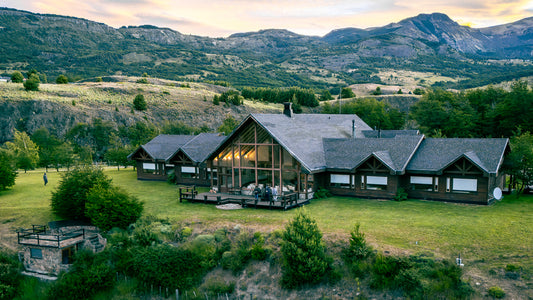
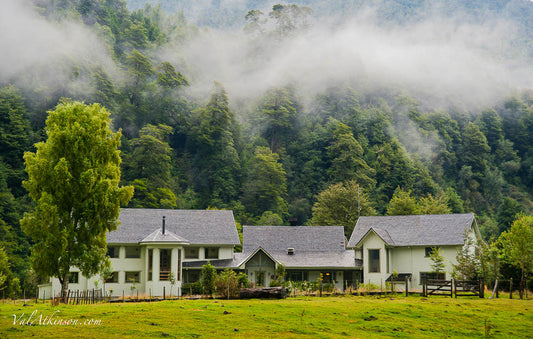
Matapiojo Lodge is located near Futaleufú in Chilean Patagonia, on the banks of the upper Futaleufú River. The lodge sits in a remote part of the Palena Province, surrounded by steep mountain terrain and dramatic volcanic cliffs. The immediate area is remote, although Futaleufú and the surrounding Palena Valley are established destinations for whitewater rafting, hiking, horseback riding, kayaking, and other outdoor tourism. The lodge's location provides immediate access to the upper Futaleufú while also serving as a base for a much broader network of rivers, lakes, lagoons, and tributaries.
How do I get there?
Guests generally arrive in Chile through Santiago and connect to Puerto Montt. After clearing immigration and customs in Santiago, travelers transfer to the domestic terminal for the flight to Puerto Montt. From Puerto Montt, a lodge-arranged transfer takes guests to Puerto Varas for an overnight stay.
The following morning, guests are transferred to La Paloma, a private airstrip near Puerto Montt, for a short flight to Chaitén. A Matapiojo representative meets guests at the small Chaitén airport and transfers them to the lodge. The drive follows the southern shore of Lago Yelcho before continuing along the Futaleufú River and takes approximately an hour and a half, depending on conditions and the final destination. Depending on arrival time and conditions, guests may begin fishing that afternoon.
The standard program includes the Puerto Montt and Puerto Varas transfers, one night in Puerto Varas, the local flight to Chaitén, and round-trip transportation between Chaitén and the lodge.
There is also access from Argentina via Esquel, although the Puerto Montt/Chaitén route is the normal option for guests traveling specifically to Matapiojo.
airport and there is often only one flight per day so depending on the schedule it may be necessary to overnight in BA before heading on to Esquel and the lodge.”
When should I go?
The Chilean trout season generally runs from November through April, and Matapiojo offers worthwhile fishing throughout the season.
November and December provide excellent early-season fishing. The rivers are generally higher, fish have seen little pressure after winter, and streamer fishing can be particularly productive. January through March typically offers the most consistent dry-fly and terrestrial fishing, along with generally favorable weather. These are also the busiest months for travel in Patagonia, and some waters can receive more pressure. Lower water can also become a factor later in the summer.
March and April bring more precipitation and higher rivers, but can also produce some of the largest trout of the season. Streamer fishing becomes increasingly important, while small dry flies can remain effective. Spring and fall offer some of the best opportunities for larger fish, while the summer months generally provide the most consistent dry-fly fishing.
How will I fish?
Two anglers fish with one guide. Most fishing days begin with a departure from the lodge in a 4x4 vehicle carrying either a raft or the equipment needed to access a particular fishery. Other days involve traveling to a boat already staged on the river or walking into a wade-fishing area.
The program uses inflatable rafts, catarafts, lake boats, and jet boats. Most fishing is conducted from a boat, although the guides can tailor the program toward wade fishing when conditions and the guests' physical abilities allow. Fishing techniques include dry flies, dry droppers, streamers, and occasional nymphing, with dry-fly fishing making up a significant portion of the program. The appropriate technique changes with the individual fishery and daily conditions.
Some river sections include whitewater, and anglers should be comfortable maintaining their balance in a moving boat. This is an adventurous fishing program rather than a strictly leisurely float-fishing operation.
Is there wade fishing?
Yes, but Matapiojo is primarily a boat-based program. Wade fishing generally takes place on smaller tributaries, lake outlets, lagoons, and other sections where access allows. Anglers should not expect manicured spring-creek-style access. Footing can be uneven and bouldery, with mud, slick rocks, steep banks, and areas without established trails. In some cases, guides must establish a path to reach the water.
Anglers who want to wade most of every day can request a wade-oriented program, but the breadth of Matapiojo's fishing is better experienced by incorporating both boat and wade fishing.
Where will I fish?
Matapiojo has access to a large variety of fisheries. Primary waters include the Futaleufú River, Yelcho Lake, Palena River, Yelcho River, Espolón Lake, Lonconao Lake, the lodge's seven-lagoon circuit, Tigre River, and Malito River. There are also numerous smaller tributaries, lakes, lagoons, and creeks, some of which are fished only occasionally during the season. The lodge has exclusive access to some private lakes, lagoons, and tributaries.
The diversity is an important part of the program. Guests can fish large rivers, smaller streams, lakes, and lagoons during the same week, and the guides can change destinations and techniques as water conditions change. Stillwater is a regular part of the program rather than simply a backup option.
How long does it take to reach the fishing grounds?
The lodge sits directly on the upper Futaleufú, so some fishing is relatively close to camp. However, driving is an important part of the overall program. Depending on the destination, daily drives generally range from approximately 30 minutes to 1½ hours each way.
Guests travel in 4x4 vehicles, and many of the roads are unpaved. Most are graded dirt roads, although washboards, rough sections, and occasionally unimproved roads should be expected. The travel is part of what allows the lodge to access such a broad range of fisheries.
What type(s) of fish will I catch?
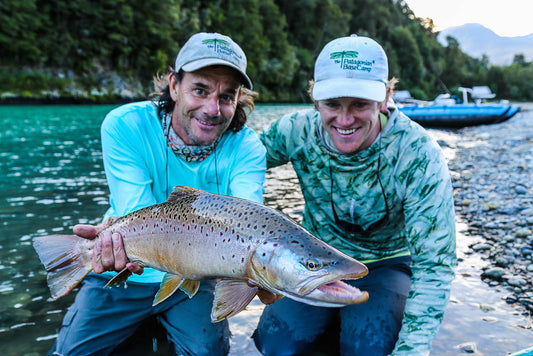
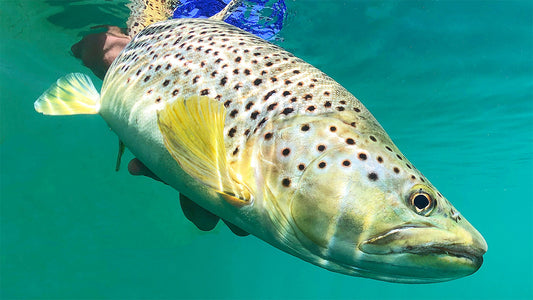
Brown, rainbow, and brook trout are the primary species, with rainbows and browns dominating the program. The fish are wild and naturally reproducing.
The average trout is approximately 14 to 18 inches, but the region has genuine trophy potential. Trout over 24 inches are caught regularly, and fish over 30 inches are taken throughout the season. The lakes and lagoons can hold some of the largest fish in the program, while late season offers a particularly good opportunity for trophy brown trout.
The lodge also documents occasional salmon opportunities in the broader fishery, but the core program is focused on wild trout.
How many fish will I catch?
A competent angler should generally expect 10 to 20 trout on a productive day, with some days better and some worse. The fishery is consistent overall, but daily catch rates can change significantly even on the same section of water. It is possible to have excellent fishing one day and substantially fewer opportunities the next.
Weather and changing water conditions can also affect the amount of time available to fish. Matapiojo is better viewed as a diverse trout program with good catch rates and genuine trophy potential rather than a destination where a specific number of fish is guaranteed each day.
Will I see other anglers?
Yes. Although Matapiojo is in a remote part of Patagonia, the Futaleufú and surrounding rivers are used by other outfitters, local anglers, rafters, and other visitors. There are also several other lodges in the broader region.
Some lakes and lagoons have private access and are reserved for lodge guests. Chilean rivers, however, are public, so anglers should not expect complete solitude on every river. The advantage of Matapiojo's broad program is that guides can move between numerous waters rather than relying on a single river.
What are the guides like?
The guide staff is a mix of Chilean and Argentine guides, all of whom speak English. Most have extensive experience fishing both in the region and internationally. They are generally good teachers and adapt well to different levels of experience and physical ability.
The operation is professional and the guides are accustomed to working with anglers ranging from competent intermediates to experienced Patagonia fishermen. Occasional translation issues can arise, but English communication is generally sufficient for fishing instruction and day-to-day interaction.
What are the physical demands?
Matapiojo is an adventurous fishing program. Most anglers with reasonable fitness can participate, but guests should expect to stand and fish for much of the day and make a large number of casts.
Boat launches and take-outs are generally undeveloped. Anglers may need to climb steep banks, walk over uneven river rocks, and maintain good balance around moving water. Some river sections include whitewater. Walk-and-wade days can be considerably more demanding, with difficult terrain, slick rocks, mud, uneven ground, and occasional bushwhacking.
The boats have seats, allowing anglers to sit down when needed, and lunch is generally a substantial break during the day. Guests with significant mobility limitations should discuss their abilities with Fly Water Travel before booking.
Are there any special skills required?
Anglers do not need to be advanced, but a competent intermediate skill level is ideal. Casting accurately to moving fish is important, as is being able to cast in the wind. Patagonia's wind can make large foam flies difficult to turn over, so anglers should be comfortable generating line speed and using appropriate tackle.
Guests should also have at least a basic understanding of streamer fishing. Some of the best opportunities for larger trout involve casting and retrieving streamers quickly, sometimes from a moving boat. The guides are patient teachers, and there are sections of water that are well suited to less experienced anglers.
Does the lodge provide equipment?
The lodge provides rods, reels, lines, waders, and boots for guests who need them. However, the equipment is well used rather than new. Guides provide leaders and tippet, and a loaner rod can be provided in the event of equipment failure.
Anglers who care about their tackle should bring their own rods, reels, lines, waders, and boots. We also recommend carrying a small personal selection of flies rather than relying entirely on lodge equipment.
What is your favorite setup for the trip?
A 9-foot 6-weight is the most versatile all-around rod for Matapiojo. Pair it with a fly line approximately one half to one full line size heavier than the rod's rating to help turn over large foam flies and cast effectively in Patagonia's wind. A spare spool or second rod with an integrated sinking line is useful for streamer fishing.
Leaders are generally 7½ to 9 feet long, with 2X to 3X tippet depending on the fly and conditions. Rubber-soled boots are preferred for comfort and hiking. Felt soles are permitted, but studs are not.
For a complete tackle breakdown, guests should refer to the Matapiojo Travel & Tackle Planner.
What are the options if water conditions become challenging?
The diversity of the program is the primary hedge against difficult water conditions. Matapiojo has access to numerous rivers, tributaries, lakes, and lagoons, allowing guides to move when rain or changing water levels make a particular river less productive.
High rainfall can raise the larger rivers, which can be both an advantage and a disadvantage. Major rivers tend to remain relatively consistent throughout the season, while smaller rivers and tributaries are more susceptible to sudden changes after heavy rain. When rivers are high, stillwater can be particularly productive, and the guides will adjust both the location and fishing technique to the conditions.
There will rarely be no fishable option, although significant weather can shorten a fishing day.
What is a typical day like?
Guests begin with an early breakfast before meeting their guide and departing for the day's fishing. Most days are spent away from the lodge, with lunch served on the water. Depending on the destination, guests may fish from rafts, catarafts, lake boats, jet boats, or on foot.
Guests generally return to the lodge in the late afternoon and have time to relax, use the hot tub, and enjoy appetizers and drinks before dinner. Dinner is a communal affair, and the following day's fishing plans are generally discussed with the guides and staff in the evening.
What is the general vibe, atmosphere and style of the lodge?
Matapiojo is casual, social, and intimate. The central quincho serves as the social hub, with meals, drinks, and conversation taking place around a communal table. Dinner is generally served family-style, often with guests watching the chef prepare the meal.
The atmosphere can range from very social to relatively reserved depending on the group staying at the lodge, and the private tents give guests plenty of space to retreat when they want privacy. There is no formal dress requirement. Guests, guides, and lodge staff spend considerable time together, giving the operation a more intimate feel than a larger, more traditional fishing lodge.
Is there an on-site owner, manager or other point-person at the lodge?
Yes. Fran, the owner, is present at the lodge and acts as host throughout the guest experience. He is also involved in guiding and remains closely connected to the fishing operation during the week.
Where do we eat, and what are the meals like?
Meals are prepared at the lodge and served in the central quincho. The food has a distinctly Chilean and Patagonian character, with meat, potatoes, seafood, regional ingredients, Chilean wine, and other local specialties playing a significant role. A weekly asado is part of the experience.
The food is very well prepared without being overly formal, and the communal nature of the meals fits the overall style of the lodge.
What is the alcohol policy?
Beer, wine, and liquor are included. The selection of spirits is relatively limited, so guests with particular preferences are encouraged to bring their own. Cocktails are available, and guests can help themselves to drinks. Alcohol can be taken on the boats, provided it is consumed responsibly.
Where do we stay, and what are the accommodations like?
Guests stay in permanent wall tents with wooden floors, comfortable beds, electricity, lighting, and individual wood-burning stoves for dry heat. Each tent has an attached private bathroom with hot water and modern shower facilities. The bathrooms are functional and sufficient, but they should not be compared with the high-end bathrooms found at luxury lodges.
Bed configurations vary by tent, from twin XL beds to queen beds. The standard lodge configuration accommodates six anglers in three tents. Single accommodations may be available depending on the booking arrangement.
The wall tents are an important part of the experience. They are considerably more comfortable than traditional backcountry camping, but guests should choose Matapiojo because they are comfortable with a rustic, outdoor-oriented lodging experience rather than expecting a conventional luxury hotel room.
Is there internet and/or cell service?
Wi-Fi is available at the lodge and is generally reliable enough for checking email and handling basic work. Cell service is limited and should not be relied upon. Guests should check international coverage with their cellular provider before traveling.
Because of the remote location, we recommend downloading WhatsApp before the trip as a practical way to communicate with family and friends at home when Wi-Fi is available.
Are there other activities?
The Futaleufú and Palena region is an established ecotourism and adventure-travel destination. Non-fishing activities include whitewater rafting on the Futaleufú, hiking, horseback riding, kayaking, wildlife and bird watching, and visits to the communities of Futaleufú and Palena. The lodge also has wood-fired hot tubs for relaxing after a day outside.
Additional activities such as rafting, trekking, horseback riding, kayaking, massages, and other excursions can be arranged at additional cost.
Are there any other expenses?
The standard package includes the Puerto Montt and Puerto Varas transfers, one hotel night in Puerto Varas, the local flight between Puerto Montt and Chaitén, fishing license, meals and beverages at the lodge, and the fishing program.
Guests should budget separately for their international and domestic airfare to Puerto Montt, dinner in Puerto Varas, gratuities, souvenirs and personal purchases, and any non-fishing activities such as rafting or horseback riding. Flies may also be purchased at the lodge, although anglers are encouraged to bring a personal selection.
Do I need a visa?
Visa requirements depend on nationality. U.S. citizens traveling on tourist passports currently do not need a visa for stays of 90 days or less, and Chile currently lists no vaccination requirement for U.S. travelers. Canadian and European travelers should verify requirements for their specific nationality before departure, as entry rules can vary by passport.
Upon arrival in Chile, travelers receive a tourist entry document. Keep this document with your passport and do not lose it, as it may be required when departing the country.
Travelers should verify current requirements with the Chilean consulate or their national foreign affairs department before departure.
Are there any health concerns, dangers or annoyances?
Matapiojo is a remote fishing operation, so medical facilities are limited compared with what travelers are accustomed to in larger cities. The nearest medical facilities are in the Futaleufú area, and the lodge has arrangements for emergency transportation when necessary. Guests should consider travel and medical evacuation insurance appropriate for a remote adventure trip.
The primary risks at Matapiojo are associated with the activities rather than unusual health hazards. Guests should take care around boats, whitewater, steep riverbanks, slippery rocks, hiking terrain, and changing weather. Horseflies and mosquitoes occur seasonally, particularly around some lakes, lagoons, and river sections, although insect pressure at the lodge is generally limited.
Drinking water at the lodge is safe and food preparation is clean. There are no snakes or known dangerous wildlife concerns that should materially affect a normal fishing trip.
Guests should be prepared for rain, wind, cool temperatures, and rapidly changing conditions throughout the season.
The CDC recommends that international travelers be current on routine vaccinations and consult its destination-specific guidance before travel.
We recommend that guests always consult with the U.S. Department of State and the Center For Disease Control websites for general travel information and guidelines.