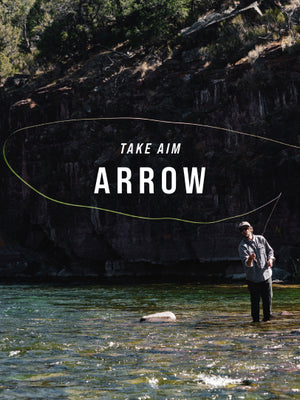
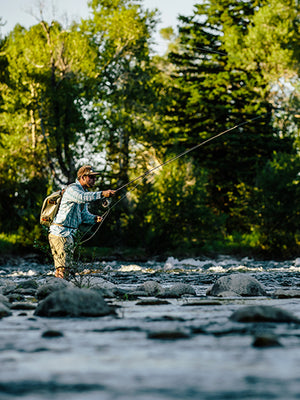
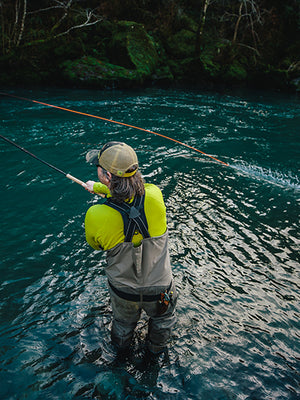
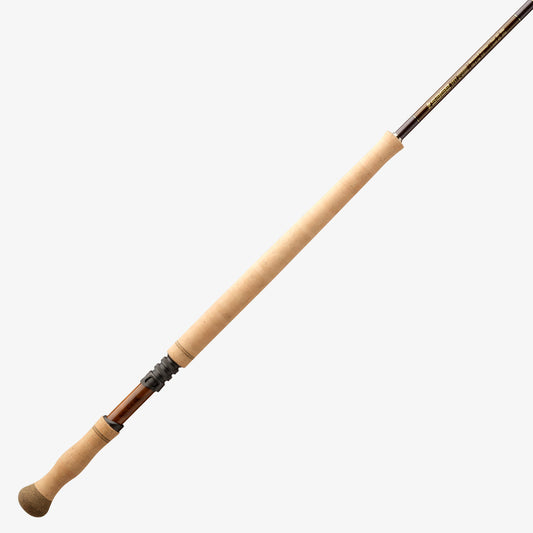
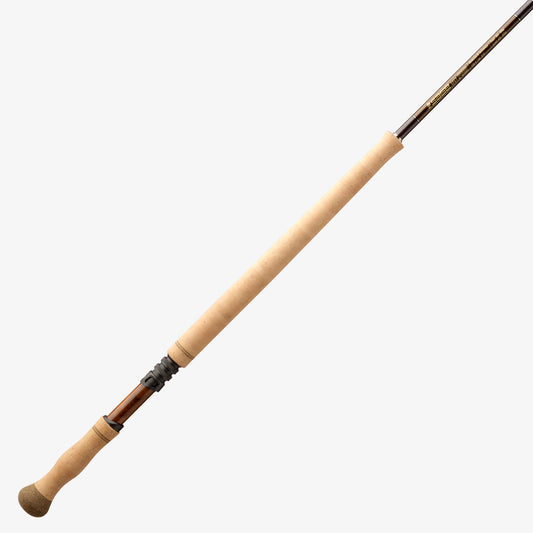
My go-to winter setups center around the SPEY R8 8126 and the 8116 because they hit the perfect balance of power, feel and efficiency for the Olympic Peninsula’s mixed water containing long glides, tight-timbered corners, overhanging branches, and those cut banks where a big D-loop simply isn’t possible due to depth or lack of room.
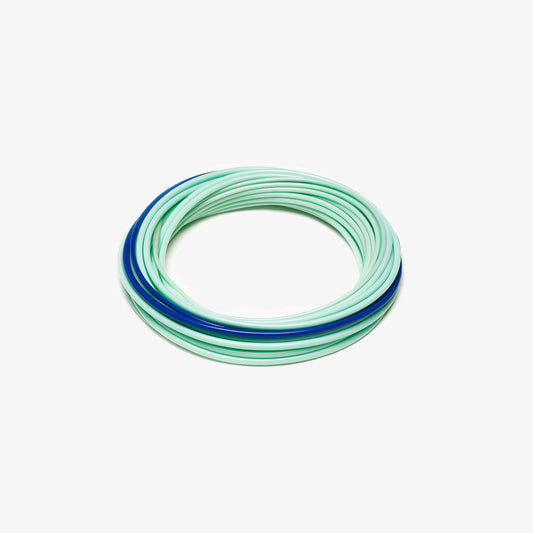
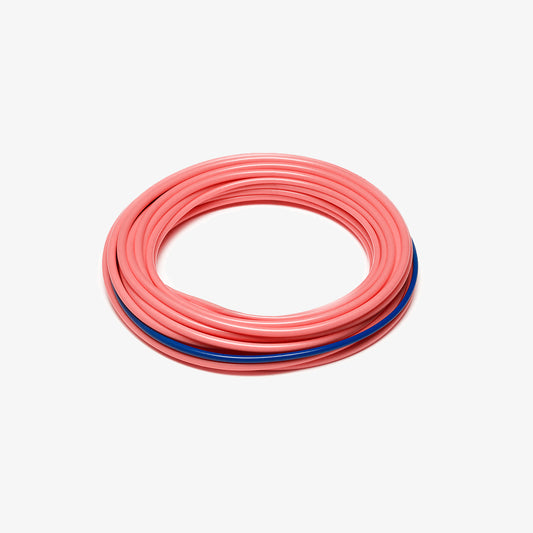
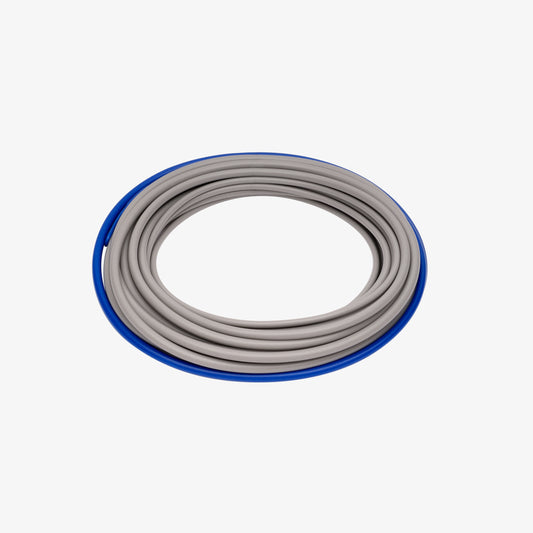
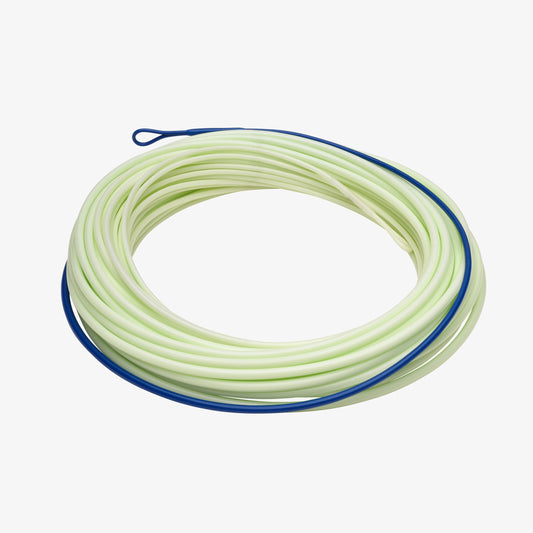
I reach for the 8126 when I want a true workhorse—it absolutely unlocks with RIO's 625 grain Skagit Max Power—giving me instant load, tons of punch and the ability to turn over the heaviest winter tips without ever feeling clunky. The 8116, on the other hand, is a fast, lively switch rod that becomes a force when paired with the RIO Timberline 540–580. A 580 may sound heavy for that rod, but it’s not at all—it makes the rod come alive, throws every sink tip I want, and carries weighted flies with authority while maintaining excellent touch and the backbone to handle the big, hot fish the OP is known for.
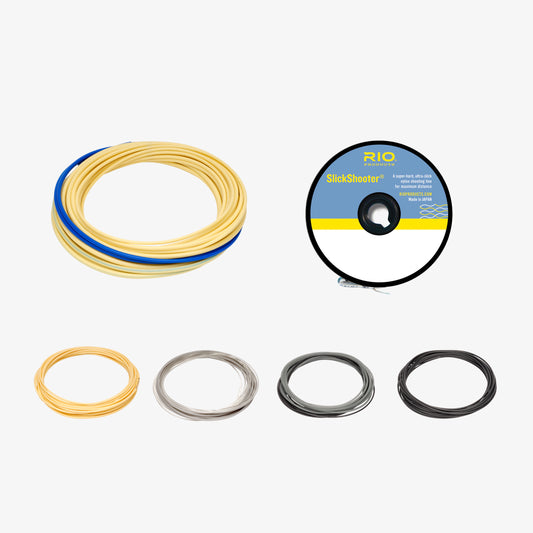
For tips, I mix in a range of T-11 and T-14 to match depth and speed, and the Timberline’s taper makes those transitions seamless. A lot of other lines feel clunky, but the Timberline is butter-smooth—easily one of the best switch lines I’ve ever cast. Another major benefit is that I don’t have to change my casting stroke when jumping to such a short rod, which is crucial when you’re tucked under branches or jammed against a steep bank with no room for a traditional setup. When conditions change fast—as they always do on the OP—I appreciate a system that keeps me fishing instead of constantly adjusting gear.
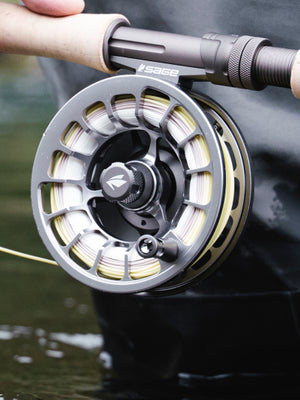
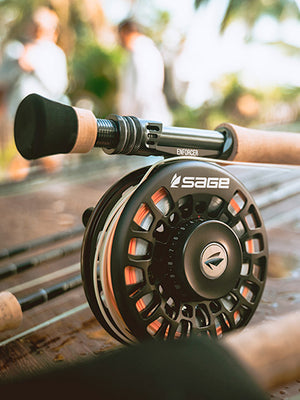
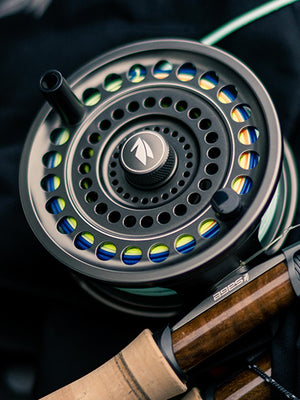
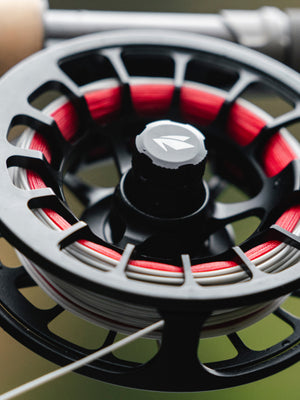
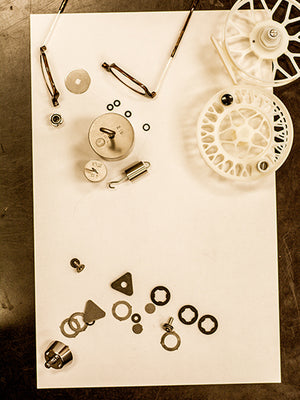
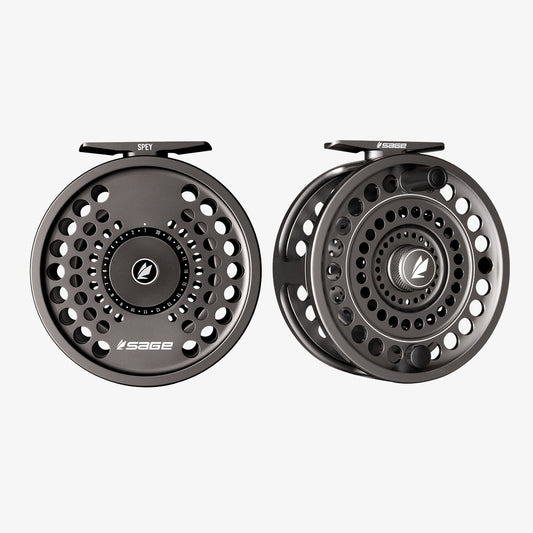
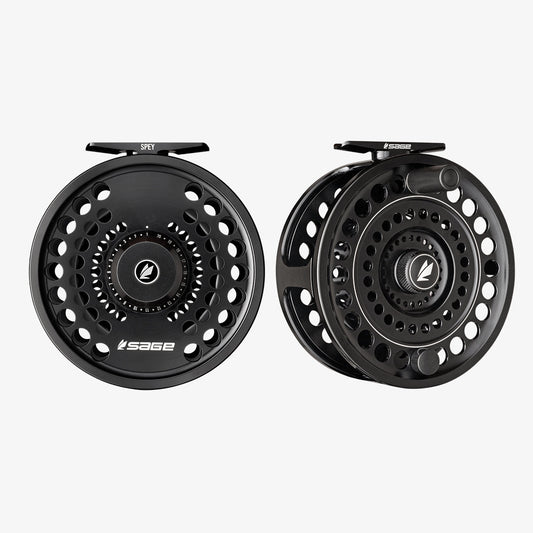
My steelhead braking system is the Sage SPEY II reel. It balances both rods beautifully with a smooth startup, rock-solid drag, and a sealed system that keeps moisture out for dependable winter performance.