Pros

Streamer Addiction with Sage Elite Pros Running Power R8

Matty Otepka August 25, 2026

Targeting trout with a streamer is a funny thing. Often one of the first methods new anglers learn, few build a deep proficiency, distracted instead by the draw of a graceful dry fly loop or the ease of an indicator flop cast. It’s a nice-to-have technique, but rarely does streamer fishing knowledge and ability go deep enough for the ultimate payoff. But those lucky enough to feel a trophy predator smash a streamer experience an exhilaration that is impossible to walk away from unchanged.

We tapped three Sage Elite Pros whose approach to chasing trout on streamers goes far beyond casual application. Even calling it a priority for them is to mislead. Words like critical, fundamental, non-negotiable and in a very real sense, massively addictive, are better terms to describe their relationship to swimming big-bodied fur and feather patterns through trout water.

While their Canadian, Rocky Mountain and Midwest geographies may differ, you’ll find a common thread: patience and POWER R8.

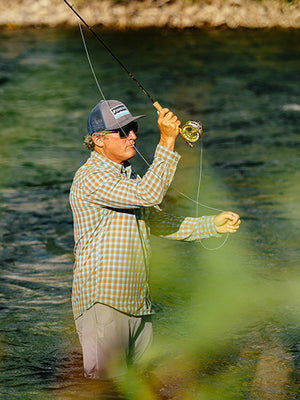
Ryan Nixon, Sage Elite Pro & Core Guide at Montana Angler | Livingston, MT
Guide Experience: 20 Years
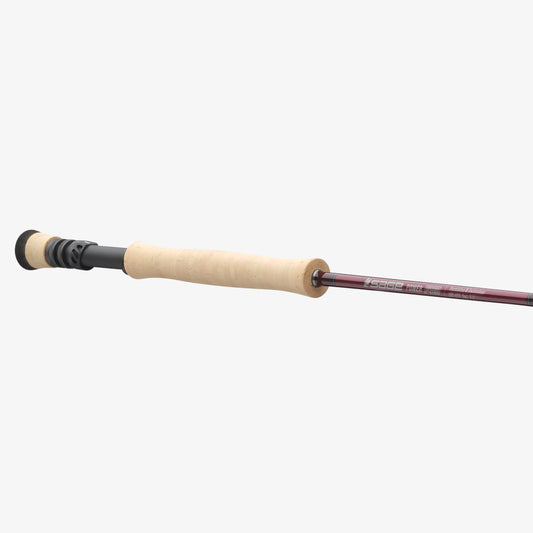
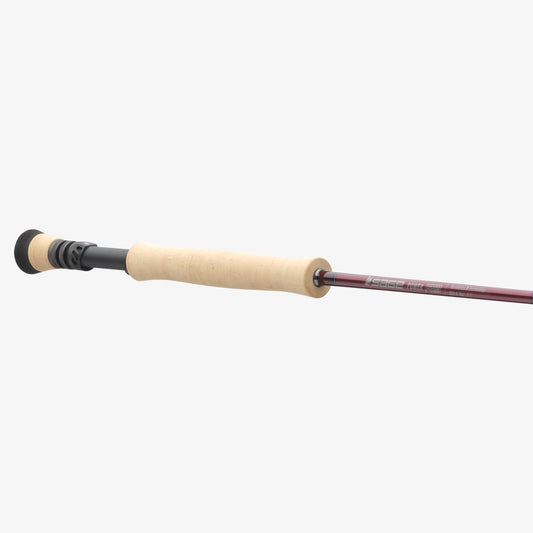
Sage Streamer Stick: POWER R8 690-4

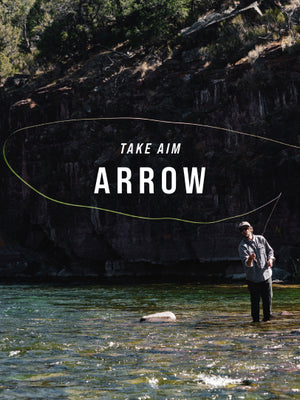
My Home Waters: The Yellowstone River is a streamer factory. Early season, when the water is high and dirty, a streamer is the surest way to find heavy fish—especially with structure near the banks and those 2–3 ft riffles where the big ones feed. As the water clears (often once you gain about 2 ft of visibility), the streamer bite gets absolutely lights out—especially after the “chocolate milk” mud flows start to settle.

Love of the Game: I’ve converted a lot of dry-fly clients into streamer addicts. Dry flies catch fish—but streamers are different. The takes are violent, the hook-ups are real, and as they say, the tug is the drug.

Words of Wisdom: Don't assume it's going to happen on every cast. Look for structure near the banks and riffles between 2-3ft deep. When casting at those banks, the hit will usually happen within the first 3-4 strips, if not right at splashdown. Be ready to quickly hammer the bank again to cover as much water as possible.

When fishing streamers in the riffles, make longer casts to maximize the time your fly is in the water, and use the tip of the rod to twitch the fly to impart more action during the retrieve.

Why POWER R8 690: This rod is insanely responsive—light as a feather but loaded with backbone. It picks up a sink tip fast, slices through wind, and makes it easy to fire heavy flies with pinpoint accuracy. I also love the casting feel: it’s the softest fast action rod I’ve thrown, but it loads quickly for those quick shot to the bank.

When that big fish eats, the rod absorbs tension so it won’t overload your leader. It gives you control, plus that clean, confident fight that keeps trophy trout pinned.

______________________________________________________________________________________________________________________________________________________________________________________________________________

Matt Chatani, Sage Elite Pro & Guide at Trout Chasers River Company | Calgary, AB
Guide Experience: 9 Years
Sage Streamer Stick: POWER R8 790-4

My Home Waters: The Bow River is a trophy fishery. I can honestly say if you’re willing to grind the streamer game, there’s a legitimate chance of encountering a two-footer any day.

Love of the Game: I truly believe you can make a fish eat a streamer on any given day. It’s not always easy, but it's engaging. I embrace the tough days and the challenge of collecting enough data to convince a few fish to eat when they’re not in a chasey mood. Of course everyone’s favourite part about streamer fishing is the grab. There’s nothing like the pure violence of an aggressive eat from a big trout. Whether the fish are active and chasing anything that swims or I have to work for every single eat, streamer fishing keeps me focused all day. Especially on a river like the Bow, that mega brown could come on any cast.

Words of Wisdom: Don’t be in a rush to make your next cast. Fish the cast that’s already in the water, retrieve it well, pause and stall your retrieves, and most importantly be patient on the pickup.

Look into the water around and behind your fly. Establish a clear visual connection to your fly before picking up and recasting. I even let it flutter and suspend near the surface for a second before I pick up. Anytime you pull your fly from the water only to suddenly see a fish chasing after it, it’s too late—you’ve already started your next cast. That fish would’ve been caught if you’d been more patient!

Why POWER R8 790: What really sets the POWER R8 apart from other streamer rods, is its versatility. Powerful enough to throw big flies a mile, it also provides tons of feel and remains effortless to cast at shorter ranges. Within the world of streamers, no matter the job, the 790-4 POWER R8 comfortably delivers.

______________________________________________________________________________________________________________________________________________________________________________________________________________

Alex Lafkas, Sage Elite Pro, RIO Signature Tyer & Guide/Owner of Alex Lafkas Fishing | Traverse City, MI & Cotter, AR
Guide Experience: 25 Years
Sage Streamer Stick: POWER R8 890-4

My Home Waters: Regardless of whether I'm fishing in Michigan or Arkansas, the top-end size is always what draws me to a body of water. Obviously, that top-end size differs depending on where I'm fishing, but a 6–8 lb. brown trout is nothing to scoff at. Both of these areas have the potential to produce large fish, but without the correct approach and presentation, many of them will remain ghosts in an angler's head.

Love of the Game: Years ago, the boats and anglers fishing during peak hatch times exploded in my region. Not only was my enjoyment level taking a hit, but my clients were having less success than previous seasons. Streamer fishing has allowed me to fish at different times of day and in lower-density sections of the river, helping me consistently produce big fish while enjoying a better overall experience. Advancements in fly rods, sink tips, and modern tying materials have allowed anglers of lesser ability to cast and fish flies longer without tiring.

I fish streamers most of the season other than a six-week window when Michigan's biggest flies are hatching and the bigger fish seem to be keyed on floating bugs. Other than that, there's always a sink tip in the boat. Whether I have a one-inch white minnow tied on a 6wt or a 9in baitfish pattern loaded on a 9wt there's usually something that will trigger predatory fish. Guiding streamer fishermen makes up the vast majority of my season. Whether its for trout on rivers or bass in the lakes around Traverse City, 75% of my trips include sink tips and streamers.

Words of Wisdom: The biggest mistake I see most anglers make is during the retrieve. Quick retrieves excel in a few instances, but those times are few and far between. More frequently, brown trout eat flies on the pause. This requires anglers to time the pauses correctly, choose a fly line that will suspend the fly, and select a fly that produces action on the pause with minimal movement from the rod or line.

Why POWER R8 890: When fishing highly pressured brown trout with big streamers, distance and accuracy play a major role. The POWER R8 has the power required to deliver large flies 70 to 80 feet out and the sensitivity to place them in the precise spot holding that fish of a lifetime. Personally, I prefer 250-grain lines when fishing long distances on the POWER 890. The feel in the rod tip allows anglers of all abilities to pick up the rod and cast with ease, while the reserve power in the lower half of the rod is more than enough to roll over and subdue the baddest browns in the river.